
Fargesia murielae
Fargesia murielae (Gamble) T.P.Yi
Description
Growing requirements
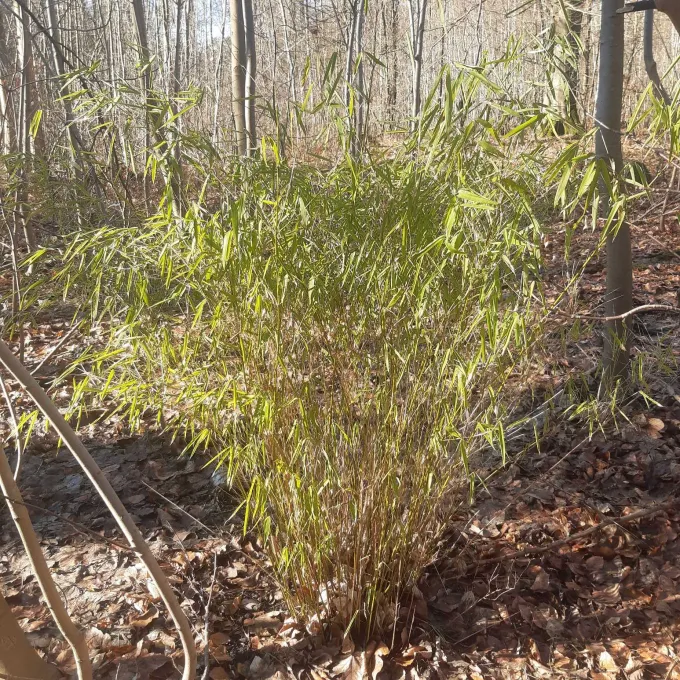
Fargesia murielae, commonly known as the umbrella bamboo, is a member of the Poaceae family. It is native to the mountainous forest regions of central China, where it thrives in cool, temperate conditions.
This species is highly valued for its non-invasive clumping growth habit, which allows it to form dense, graceful clumps that do not spread aggressively through the garden landscape.
In terms of site selection, it performs best in partial shade locations. It is crucial to shield the plant from harsh direct sunlight, which can scorch its delicate, pendulous leaves during peak summer heat.
The soil requirements include a rich, well-draining substrate with a slightly acidic to neutral pH. Adequate moisture retention is essential, as the plant does not tolerate prolonged drought periods.
As a cold-hardy species, it is well-suited for cultivation in temperate climates, showing significant resilience to freezing temperatures provided it is properly mulched during the winter.
Main diseases and pests
The plant is susceptible to various fungal diseases, such as leaf spot, which typically occur when humidity is excessively high and air circulation around the culms is restricted.
Pests like spider mites and aphids are the most common adversaries, particularly during dry spells, as they tend to congregate on the undersides of the leaves and young, tender shoots.
Root rot is a significant risk when plants are grown in heavy or waterlogged soils, necessitating the use of raised beds or improved drainage systems in challenging areas.
Proper maintenance, such as regular inspection and the removal of dead culms, is vital for maintaining the plant's health and reducing the likelihood of pest infestations.
Strategic use of organic mulches not only helps with moisture regulation but also acts as a barrier to prevent soil-borne pathogens from reaching the base of the bamboo stalks.