
Fascicled brome
Bromus fasciculatus
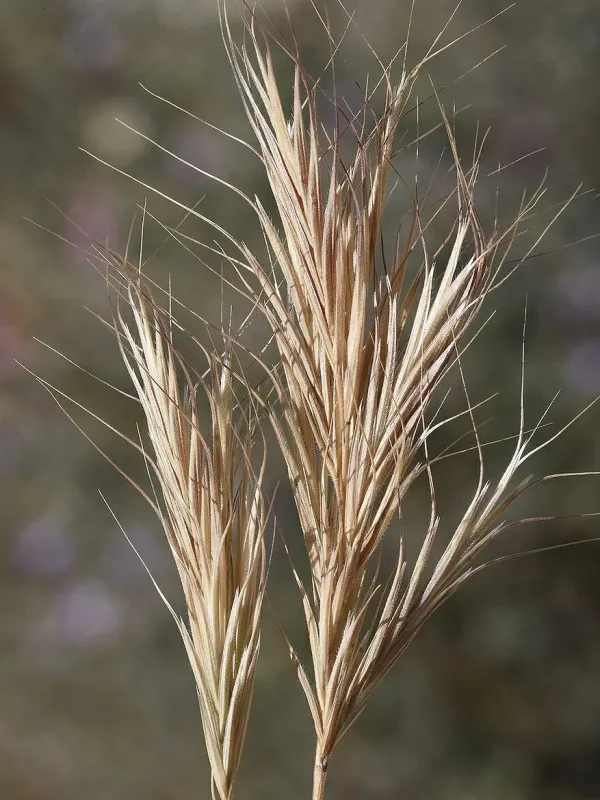
Description
Growing requirements
Fascicled brome (Bromus fasciculatus) is a member of the Poaceae family. This annual grass species is native to the Mediterranean region and parts of the Middle East, thriving in arid environments.
The plant demonstrates excellent adaptation to dry, rocky, and poor-quality soils. It is highly valued for its ability to persist in harsh climates where other, more demanding fodder crops might fail.
Botanically, it is characterized by its fascicled, dense inflorescences and slender stems. The root system is fibrous and capable of reaching moisture in substrates with low water retention capacity.
Climatically, it prefers regions with hot, dry summers and mild winters. It does not require high levels of nitrogen fertilization, making it a low-input crop suitable for extensive grazing systems.
The primary agricultural use of fascicled brome is as a component in grazing pastures. It provides valuable early-season fodder when soil moisture is still sufficient for rapid spring growth.
Main diseases and pests
The crop is susceptible to typical grass diseases, including rusts and powdery mildew, particularly in environments with stagnant air or unseasonably high humidity.
Common pests affecting this species include aphids and cereal flies. These insects can cause significant stunting during the seedling stage if the infestation is not monitored.
Integrated pest management remains the most effective strategy to maintain healthy stands of Bromus fasciculatus in agricultural settings.
Weed management is critical during the initial establishment phase, as the slow early growth of the brome can be suppressed by faster-growing competitive weeds.
Providing optimal spacing between rows can help improve airflow, thereby reducing the prevalence of fungal pathogens within the canopy.