
Fargesia murielae
Fargesia murielae x Fargesia nitida
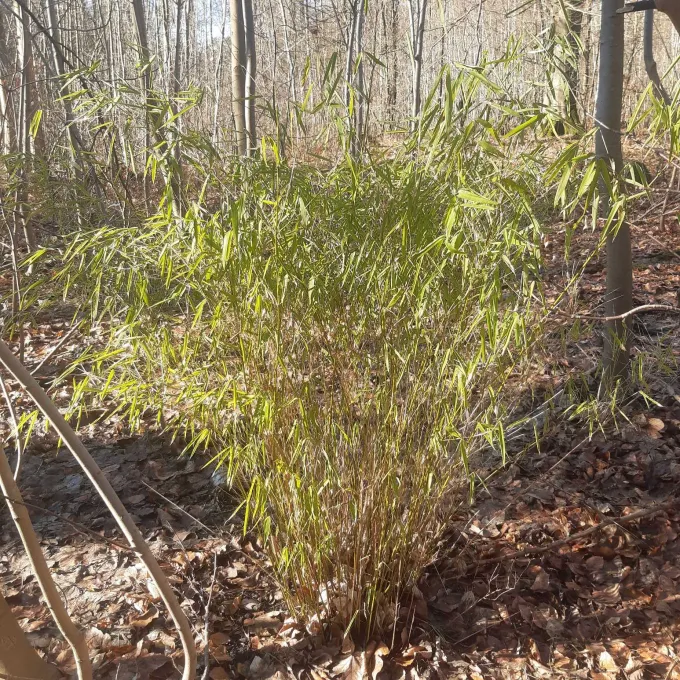
Description
Growing requirements
Fargesia murielae, commonly known as the umbrella bamboo, is a clumping bamboo species belonging to the Poaceae family. It is prized for its elegant, arching canes and fine, narrow leaves that remain evergreen throughout the year.
This bamboo is a non-invasive, clump-forming plant, which means it does not spread via long runners. This makes it an ideal choice for residential landscapes where control over the plant's spread is desired.
The plant thrives best in partial shade locations. While it can tolerate more sun in cooler regions, it prefers protection from the harsh afternoon sun to prevent the leaves from rolling or turning yellow due to heat stress.
Well-drained, fertile soil rich in organic matter is crucial for the healthy development of Fargesia murielae. It does not tolerate waterlogged conditions, so ensuring proper drainage is vital to prevent root diseases.
Consistent moisture is required throughout the growing season. While it is hardy once established, young plants should be watered frequently and protected from drying winds during their first winter to ensure survival.
Main diseases and pests
Spider mites are the most common pest problem for this bamboo, particularly in hot and dry climates. Increasing humidity and regular foliage misting can significantly reduce the risk of infestation.
Aphids may occasionally target the succulent new shoots during the spring. If an infestation occurs, a simple soap-based insecticide or a strong stream of water is usually enough to clear the pests.
Root rot occurs if the soil remains excessively wet for long periods. Ensuring the planting site has excellent drainage and avoiding over-watering are the best preventative measures against these pathogens.
Chlorosis is a frequent issue if the soil pH is too high or if there is a shortage of specific nutrients like iron or magnesium. Testing the soil and adjusting the pH can restore the green luster.
Physical stress from heavy snow or high winds can cause canes to bend or break. Pruning damaged growth in early spring helps the plant redirect its energy into healthy new shoots.