
Fountain bamboo
Fargesia nitida (Mitford) Keng f. ex T. P. Yi
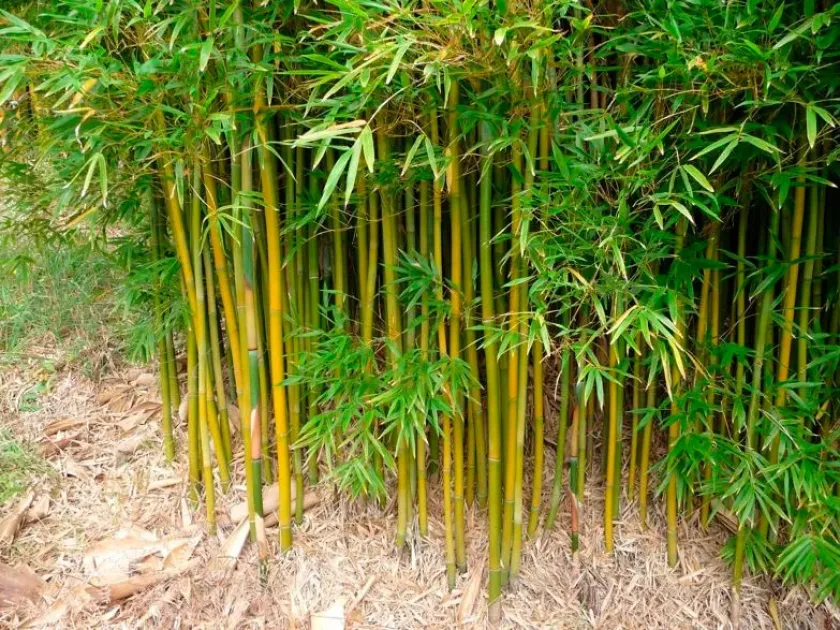
Description
Growing requirements
Fargesia nitida, commonly known as fountain bamboo, is a perennial evergreen plant belonging to the grass family Poaceae. Native to the mountainous regions of China, particularly in Sichuan and Hubei provinces, it thrives in cool, moist, and high-altitude forest environments.
Botanically, this species is categorized as a clumping bamboo, which means it grows in neat, compact clusters rather than spreading aggressively via rhizomes. Its culms are slender and graceful, reaching heights of 2 to 4 meters, and they transition from green to a dark purple-black as they mature.
The cultivation requirements focus on providing a site with partial shade, as the foliage is sensitive to scorching from intense direct sunlight. A well-drained, fertile soil enriched with organic matter is essential for optimal growth, and maintaining consistent moisture levels in the soil is crucial.
Agrotechnical practices include mulching around the base to retain soil moisture and regulate ground temperature, especially during fluctuating winter conditions. Fertilization with a balanced organic fertilizer in early spring supports vigorous new culm development throughout the growing season.
In landscaping, Fargesia nitida is highly valued for its aesthetic appeal and versatility. It is widely used to create privacy screens, windbreaks, or as an architectural specimen in shaded borders, adding texture and movement to garden designs throughout the year.
Main diseases and pests
Common pests affecting fountain bamboo include spider mites and mealybugs, which are often attracted to stressed plants in arid conditions. Regular monitoring of the undersides of leaves and maintaining adequate environmental humidity are the best ways to keep these pest populations under control.
Disease pressure typically manifests as root rot, often caused by waterlogged soil conditions and lack of proper drainage. Ensuring that the planting site has excellent percolation and avoiding over-watering are the primary preventative measures against fungal pathogens in this bamboo species.