
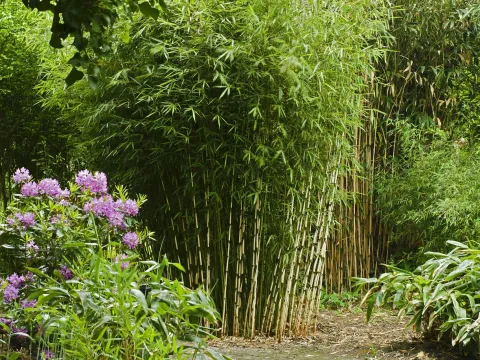
Fargesia
Fargesia
Fargesia is a genus of perennial evergreen plants belonging to the Poaceae family, subfamily Bambusoideae. Unlike many other bamboo species, this crop is non-invasive and grows in clumps, making it ideal for controlled landscape planting.
What the section contains


Fargesia
Native to the mountainous regions of China, this plant has adapted to cool and moist climates. Fargesia thrives in partial shade and requires locations protected from strong winds, as direct sunlight can damage its delicate foliage.
Successful growth requires fertile, well-drained soils with a neutral to slightly acidic pH. The most critical condition is maintaining consistent soil moisture without waterlogging, as the root system is highly sensitive to stagnant water.
The agronomic management includes regular watering during dry spells and applying organic mulch around the base of the plant. This practice helps stabilize soil temperature and conserve moisture, which is essential for these high-altitude species.
This crop is known for its cold hardiness among bamboo varieties, with many species capable of withstanding temperatures as low as -20°C. However, young specimens require winter protection during their first years to ensure root survival.
Fargesia is generally resistant to pests and diseases, but poor agronomic practices can lead to fungal issues such as rust or phytophthora, often triggered by excessive moisture or poor aeration.
Among the most common pests are spider mites and aphids, which frequently target the plant during hot and dry periods. Timely application of insecticides or miticides is recommended for effective control.
Leaf yellowing is a frequent issue, usually indicating nutrient deficiencies or iron chlorosis in alkaline soil conditions. Regular application of balanced fertilizers helps prevent these physiological disorders.
Routine sanitary pruning is necessary to remove old, dead, or damaged canes. This improves air circulation within the clump, significantly reducing the risk of pathogen development and fungal outbreaks.
Young shoots are vulnerable to slugs and snails during the active growth phase. Implementing physical barriers or organic traps can protect the emerging shoots from significant damage without using harsh chemicals.