
Fargesia spathacea
Fargesia spathacea
Description
Growing requirements
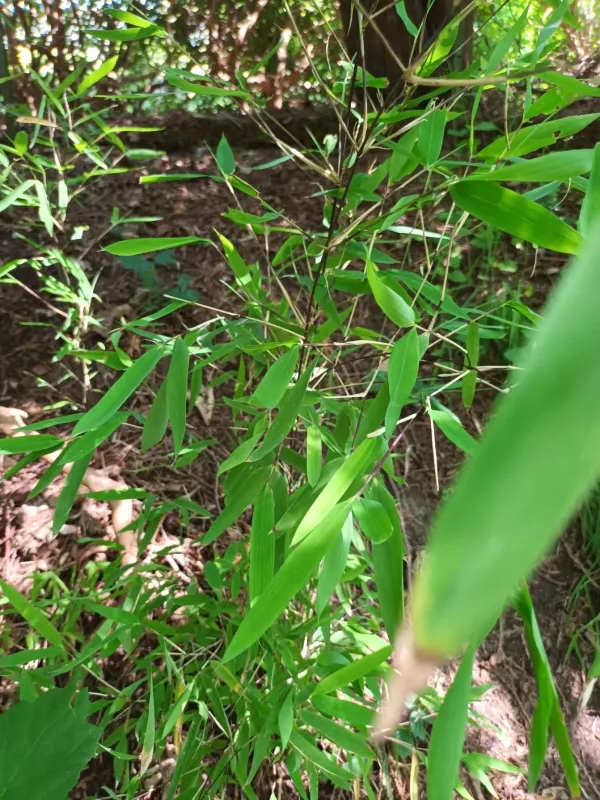
Fargesia spathacea is a perennial evergreen plant belonging to the Poaceae family. Known as a clumping bamboo, it is highly valued in agriculture and horticulture for its non-invasive root system, which does not spread uncontrollably, allowing it to form tidy, dense clusters.
Native to the high-altitude mountainous regions of central China, this bamboo is well-adapted to cooler, moist environments. Its natural habitat is characterized by shady forests, which dictates its preference for sheltered locations away from harsh, direct sunlight.
Cultivation requires fertile, well-draining soil with a pH ranging from neutral to slightly acidic. Providing adequate moisture is crucial; however, the soil should never become waterlogged, as stagnant water is detrimental to the health of the rhizomes.
When selecting a planting site, choose an area with dappled shade or protection from intense afternoon sun and strong winds. Excess heat and solar radiation often lead to leaf curling, which is a common stress response in this species during the height of summer.
General maintenance includes regular mulching with organic matter to retain soil moisture and stabilize temperature. During the growing season, a balanced fertilizer application can promote the development of new culms and maintain the vibrant green color of the foliage.
Main diseases and pests
The primary pests affecting Fargesia spathacea are spider mites, especially in environments with low humidity. Monitoring the underside of leaves for webbing and discoloration is recommended as a standard preventive practice for healthy development.
Fungal issues, such as leaf spot and powdery mildew, may emerge if planting density is too high, leading to poor air circulation. Proper spacing between individual plants is essential to reduce the humidity trapped within the dense canopy of culms.
Root rot, driven by poor drainage, represents a major threat to this species. It is imperative to ensure that the planting substrate allows for rapid water infiltration to prevent the colonization of pathogenic soil fungi that can compromise the root structure.
In colder regions, rodents may pose a threat during winter months by stripping the outer bark from the bamboo stems. Protective measures, such as mesh guards or clearing debris from the base of the plant, can significantly reduce the risk of winter injury.
Agronomists should note that Fargesia species have long life cycles punctuated by sporadic or mass flowering events. After a major flowering cycle, the parent plants may weaken or expire, necessitating a strategy of vegetative propagation through clump division beforehand.