
Fargesia scabrida
Fargesia scabrida
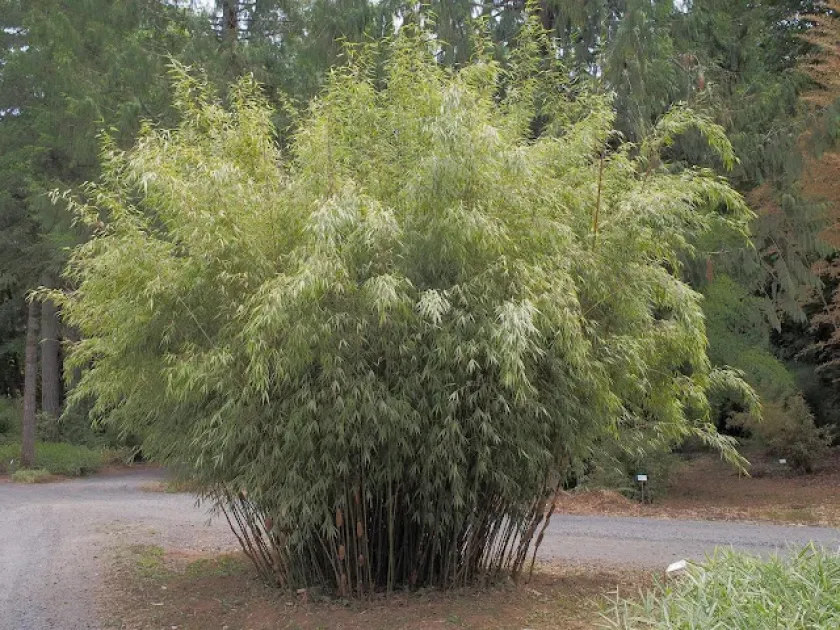
Description
Growing requirements
Fargesia scabrida is a species of ornamental, evergreen bamboo belonging to the Poaceae family. Unlike invasive running bamboos, this plant is a clumping variety, which makes it ideal for controlled landscaping and privacy screens.
Native to the mountainous regions of Sichuan, China, this bamboo is highly valued for its cold hardiness and striking appearance. The plant features vibrant orange-red sheaths on new canes, which provide a unique visual contrast against the green foliage.
This bamboo thrives in partial shade conditions, particularly in areas sheltered from strong, drying winds. While it can tolerate sunny spots, consistent moisture is essential to prevent leaf curling and damage to the plant's aesthetic value.
The ideal soil for Fargesia scabrida is fertile, well-draining, and rich in organic matter. A slightly acidic to neutral soil pH is preferred, as it ensures the plant can effectively uptake necessary nutrients for vigorous growth.
Agrotechnical maintenance includes the application of a thick layer of organic mulch around the base of the plant. This practice helps maintain a cool root zone, conserves soil moisture, and suppresses weed competition.
Main diseases and pests
Fargesia scabrida is generally considered a low-maintenance plant with strong resistance to most common plant diseases. When provided with a suitable environment, it rarely requires chemical treatment.
Slugs and snails can pose a threat to new shoots during the spring season. Integrated pest management, such as physical barriers or biological controls, is highly effective in mitigating these impacts.
Root rot remains a potential threat in poorly drained or waterlogged soils. To prevent this, planters should ensure the soil structure allows for adequate aeration and water runoff, especially during heavy rainfall periods.
Spider mites are occasionally found on the plant during periods of high heat and low humidity. Regular overhead watering during dry spells serves as both a cultural practice and an effective way to discourage mite infestations.
Nutrient deficiency symptoms, such as yellowing leaves, should be addressed by applying balanced, slow-release fertilizers. Monitoring the plant for signs of stress is key to maintaining a healthy and robust bamboo clump.