
Fargesia angustissima
Fargesia angustissima
Description
Growing requirements
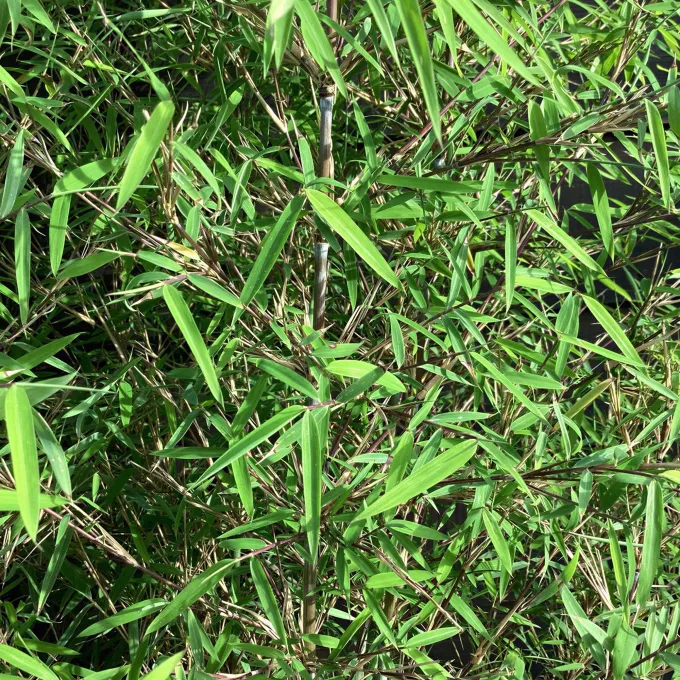
Fargesia angustissima is a perennial evergreen species belonging to the Poaceae family, recognized as a non-invasive, clumping bamboo. Native to the mountainous regions of China, this species has adapted to temperate forest environments, flourishing in cooler, high-altitude climates.
The plant is noted for its slender, vertical culms that can reach heights of 3 to 5 meters, adorned with narrow, delicate leaves that give it an elegant, light appearance. Unlike running bamboos, this species grows in tight clusters due to its sympodial rhizome system, ensuring it remains contained within its planting area.
Optimal growth requires a sheltered location with partial shade, as the foliage is susceptible to scorching if exposed to intense, direct afternoon sun. It performs best in fertile, well-draining soils that are rich in organic matter and possess a slightly acidic to neutral pH balance.
Climate requirements include protection from cold, desiccating winds and excessive summer heat. While it exhibits moderate frost resistance, usually down to -15°C, providing a layer of mulch in colder regions helps maintain consistent soil moisture and protects the root system during harsh winters.
In landscape design, it is highly valued for creating privacy screens, hedges, and architectural focal points. Its ability to thrive in large containers also makes it an excellent choice for patio and terrace gardening, where it provides a sense of seclusion and serenity throughout the year.
Main diseases and pests
Fargesia angustissima is generally resilient, but it can be prone to infestations of spider mites, especially during periods of low humidity and high temperatures.
Waterlogged soil is a significant threat to this species, as it can quickly lead to root rot, causing the plant to lose its vibrant green color and eventually decline.
Foliage diseases, such as leaf spot fungi, can occur if the plant is grown in areas with poor air circulation or excessive moisture sitting on the leaves.
Slugs and snails can cause cosmetic and structural damage to emerging new shoots in the spring, which may require manual removal or barrier controls.
Maintaining plant health involves regular monitoring and sanitary pruning to remove dead or weak culms, which promotes better airflow and prevents the buildup of pests.