
Fargesia hybrids
Fargesia hybrids
Description
Growing requirements
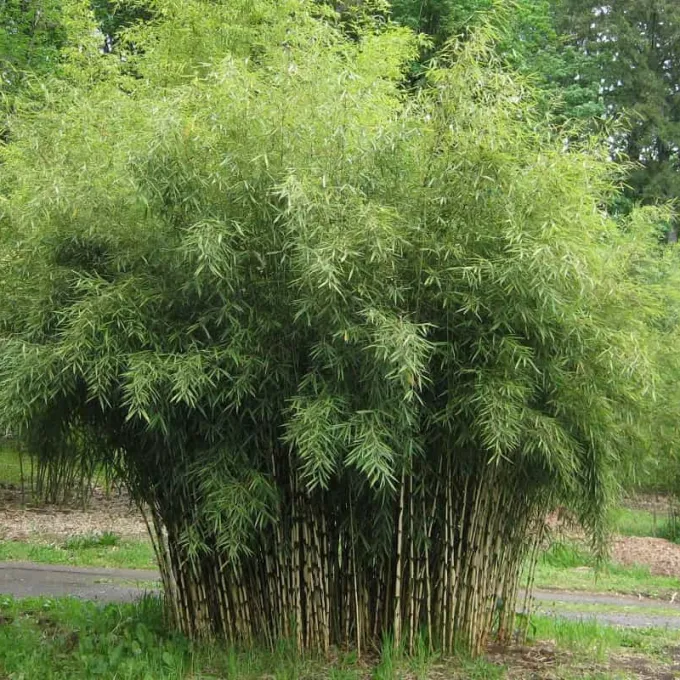
Fargesia hybrids are a group of clumping, evergreen perennial plants belonging to the Poaceae family. Unlike running bamboos, these cultivars possess non-invasive, clumping rhizomes, making them a popular choice for structured landscapes and privacy screens.
Originating from the mountainous regions of East Asia, these hybrids have evolved to tolerate cooler climates better than most tropical bamboo species. Their ability to remain green throughout the winter makes them highly valued in horticultural practices across temperate zones.
The ideal planting location for Fargesia is in partial shade or areas protected from harsh, direct sunlight. Excessive heat or intense solar exposure can lead to leaf curling or chlorosis, so providing a site with dappled light is essential for optimal health.
The culture thrives in fertile, well-draining soil that is rich in organic matter with a slightly acidic to neutral pH level. Proper drainage is critical; these plants do not tolerate standing water, which can quickly lead to root decay in heavy clay soils.
Maintenance involves consistent irrigation during dry spells to prevent moisture stress. Applying a layer of organic mulch around the base helps regulate soil temperature and retain humidity, while balanced fertilization in spring promotes robust new culm growth.
Main diseases and pests
Fargesia hybrids are generally hardy, but they can be susceptible to spider mites and aphids, particularly during hot and dry weather conditions. Monitoring the underside of the leaves is a recommended practice to ensure early detection and management of infestations.
Fungal diseases, such as leaf spot or rust, can occur if the plant is grown in areas with poor air circulation or excessive overhead moisture. Ensuring adequate spacing between plants and avoiding dense foliage congestion significantly reduces the risk of these infections.