
Ehrharta dura
Ehrharta dura
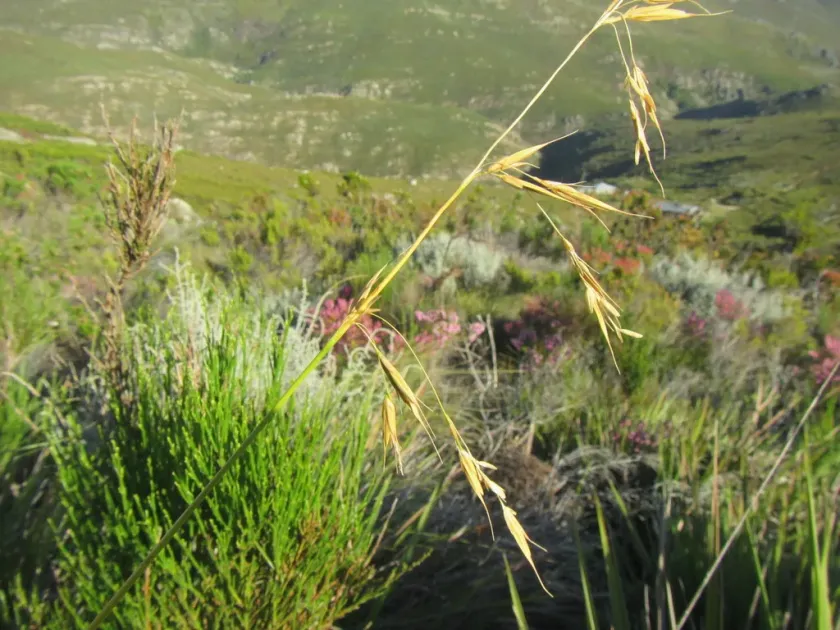
Description
Growing requirements
Ehrharta dura is a perennial grass species belonging to the Poaceae family. It is known for its ability to thrive in challenging environments where other grasses might struggle to establish.
Native to Southern Africa, this plant is well-adapted to sandy, well-drained soils and arid or semi-arid climates. Its survival strategy involves efficient water utilization and drought resistance.
The plant is botanically characterized by its tough, rigid leaves and stems, from which its name is derived. A robust root system allows it to stabilize soils and prevent erosion in degraded landscapes.
Ehrharta dura requires high light intensity and performs best in open, sunny habitats. It demonstrates remarkable tolerance to saline soil conditions, making it useful for land reclamation projects.
Effective drainage is a fundamental requirement, as the species is highly susceptible to root damage in waterlogged or poorly aerated soil conditions.
Yield
The agricultural use of Ehrharta dura is primarily focused on grazing. It serves as a source of forage, although its high fiber content necessitates careful management to ensure livestock intake.
Forage quality is highest during the early vegetative stages. As the plant matures and produces inflorescences, the nutritional value decreases due to increased lignification.
The overall biomass yield is determined by soil fertility levels and the frequency of rainfall during the primary growth season.
Beyond its forage value, the species contributes to environmental stabilization by forming a dense vegetative cover on sandy or marginal lands.
Sustainable yield management involves rotational grazing practices that allow the plants sufficient recovery time to replenish carbohydrates in their root systems.
Main diseases and pests
The most common disease threats include rust fungi, which tend to proliferate during humid weather conditions and can negatively impact photosynthetic capacity.
Insect pests such as cereal aphids and shoot flies can occasionally cause damage to the foliage, especially when plants are under environmental stress.
Improper grazing intensity represents a major threat, as overgrazing reduces the plant's ability to compete and weakens its long-term survival in the pasture.
Invasive weed species can outcompete Ehrharta dura if they are allowed to establish, necessitating regular monitoring of the pasture health.
Root rot, often caused by soil-borne pathogens, is a significant risk factor in sites with poor drainage or excessive irrigation management.