
Hare-tail grass (Ectrosia leporina)
Ectrosia leporina
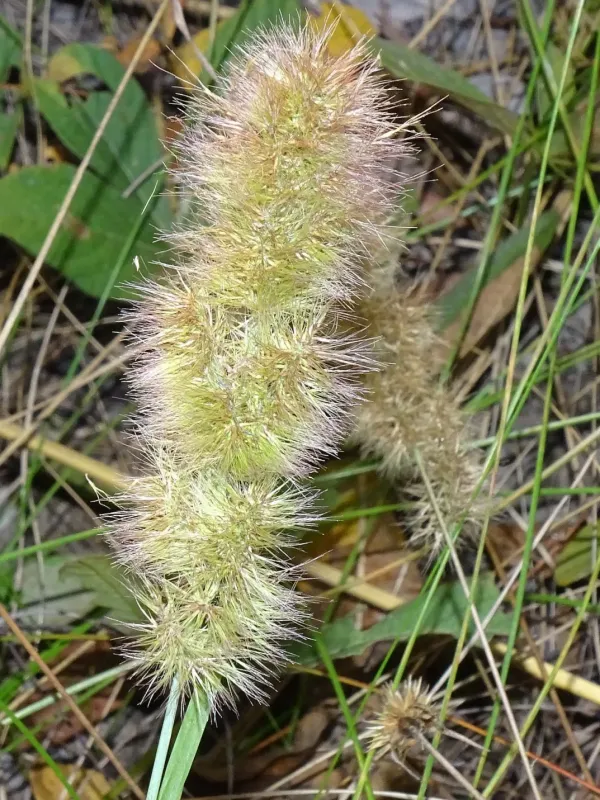
Description
Growing requirements
Ectrosia leporina, commonly known as a type of hare-tail grass, belongs to the Poaceae family and is native to the northern regions of Australia.
The plant is perfectly adapted to nutrient-poor, sandy soils that offer excellent drainage, which is critical for its health and overall development.
Regarding light requirements, this grass thrives in full sun exposure. It is a heliophilic plant that demands significant solar radiation to maintain its structural integrity.
The climatic conditions favored by this species are strictly tropical or subtropical, characterized by high temperatures throughout the active growing season.
Agricultural management must account for the plant's inability to survive frost, thus limiting its outdoor cultivation to warm regions without significant winter temperature drops.
Main diseases and pests
The primary threats to Ectrosia leporina include fungal infections such as root rot, which are exacerbated by high soil moisture and poor drainage systems.
Insect pests including various grasshoppers and lepidopteran larvae may feed on the foliage, requiring active monitoring especially during dry, hot spells.
To maintain plant health, it is essential to ensure proper air circulation around the plants to prevent the onset of mildew and other moisture-related diseases.
Weed management is vital in the early stages of growth to ensure the plant can establish a strong root system without competition for essential resources.
The application of fertilizers should be kept to a minimum as the species is adapted to infertile soils and can be stressed by excessive nutrient concentrations.