
Creeping lovegrass
Eragrostis reptans
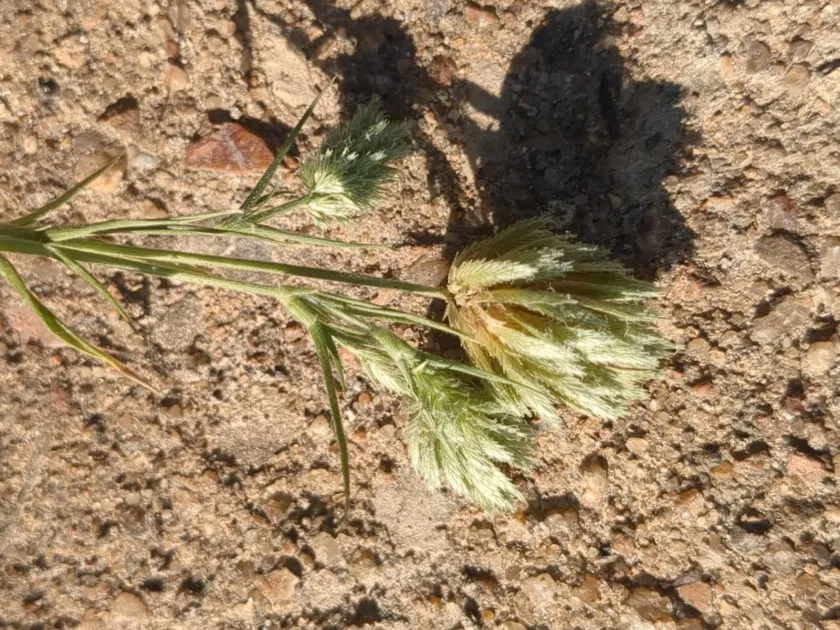
Description
Growing requirements
Creeping lovegrass (Eragrostis reptans) is a member of the Poaceae family. It is an annual grass known for its distinct ability to spread across moist substrates by rooting at the nodes of its prostrate stems.
The plant is naturally adapted to riparian habitats. It thrives in environments such as riverbanks, sandbars, and damp lowlands, where constant moisture is available for the development of its shallow but extensive root system.
Soil requirements for this species focus on texture and water retention. It prefers sandy or silty soils that do not become excessively compacted, allowing the creeping stems to establish contact with the substrate easily.
Climatic requirements involve a warm growing season and high atmospheric humidity. While it can withstand short periods of fluctuation, it is most productive in areas with consistent water availability throughout the summer months.
In terms of agricultural and land management, the species is primarily valued for its soil-binding capabilities. It helps in stabilizing loose, sandy soils along waterways and preventing soil erosion in disturbed riparian zones.
Main diseases and pests
Creeping lovegrass exhibits natural resilience to many common agricultural diseases due to its specialized habitat. However, it is not entirely immune to environmental stressors.
Fungal pathogens can occasionally affect the foliage, particularly in instances of poor air circulation or prolonged stagnant water conditions, leading to leaf spots or mold development.
Pest pressure mainly comes from generalist insects associated with wet meadow ecosystems, such as grass-feeding aphids or certain types of stem-boring larvae that may impact individual plants.
Overgrazing poses a significant threat to the survival of the species, as the fragile creeping stems are easily damaged by the hooves of livestock, disrupting the plant's ability to propagate.
Effective management includes maintaining a balanced grazing rotation and monitoring for signs of stress during exceptionally dry periods to ensure the longevity of the plant cover.