
Creeping mannagrass
Glyceria leptorrhiza
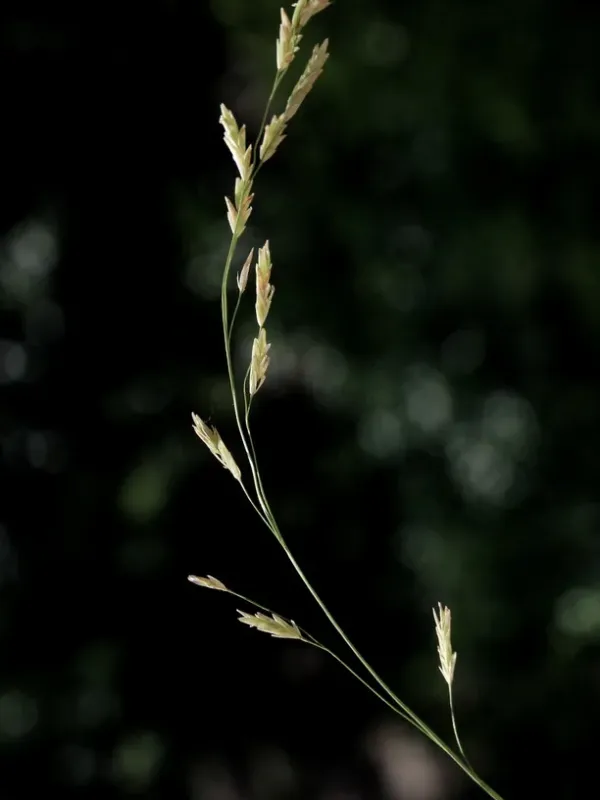
Description
Growing requirements
Creeping mannagrass (Glyceria leptorrhiza) is a perennial grass species belonging to the Poaceae family. It is specifically adapted to riparian zones, wet meadows, and marshy soils where other forage crops often struggle to establish.
The species is characterized by its creeping rhizomatous root system, which allows it to form dense, mat-like stands. This structure makes it highly effective for soil stabilization in water-prone agricultural areas.
Glyceria leptorrhiza thrives in nutrient-rich soils, particularly those with high silt or organic content. It requires consistent moisture levels and is capable of surviving periodic flooding without loss of vigor.
Climate adaptability is one of its primary strengths, as it demonstrates excellent winter hardiness. The plant initiates growth early in the spring, providing a valuable source of forage when other grasses are still dormant.
Agronomic management involves selecting sites with high water availability. While it can handle flooding, it performs best in well-aerated but moist soils that prevent the accumulation of toxic compounds in the rhizosphere.
Yield
This crop is primarily utilized for livestock grazing and hay production. It is highly palatable to cattle and sheep, providing essential nutrients, including proteins and soluble carbohydrates.
The yield potential is significant, especially under conditions of optimal nitrogen availability. When managed correctly, it provides high-quality forage that maintains its nutritional profile throughout the grazing season.
Harvesting for hay requires careful timing to maximize nutritional value. Because of its rapid regrowth, creeping mannagrass can support multiple cuts per year, significantly increasing total dry matter production.
The plant's structural properties allow for effective silage production as well. It preserves well, retaining its color and feed quality, which makes it an excellent choice for winter supplementation.
In addition to agricultural production, the grass serves a dual purpose in landscape management and erosion control, often integrated into farm plans to manage runoff in sensitive riparian zones.
Main diseases and pests
Fungal diseases, such as leaf rust and various leaf spot pathogens, are the most common health issues for Glyceria leptorrhiza. These are generally more prevalent in dense, poorly ventilated stands.
Insect pests include cereal flies, which can damage emerging shoots, especially in newly established meadows. Monitoring should be focused on the early development stages during the spring.
To mitigate the risk of disease, farmers should avoid overcrowding and ensure proper drainage of excessive surface water. Regular mowing helps break the life cycle of many common grass pests.
While chemical controls are sometimes used in seed production, they are rarely needed in standard forage fields. Cultural practices such as appropriate fertilization promote plant vigor, making them more resilient.
Soil compaction represents an indirect threat to the health of the stand. Using light machinery and controlled grazing patterns helps maintain soil structure and supports the continued vigor of the rhizome network.