
Cortaderia selloana
Cortaderia selloana (Schult. & Schult. f.) Asch. & Graebn.
Description
Growing requirements
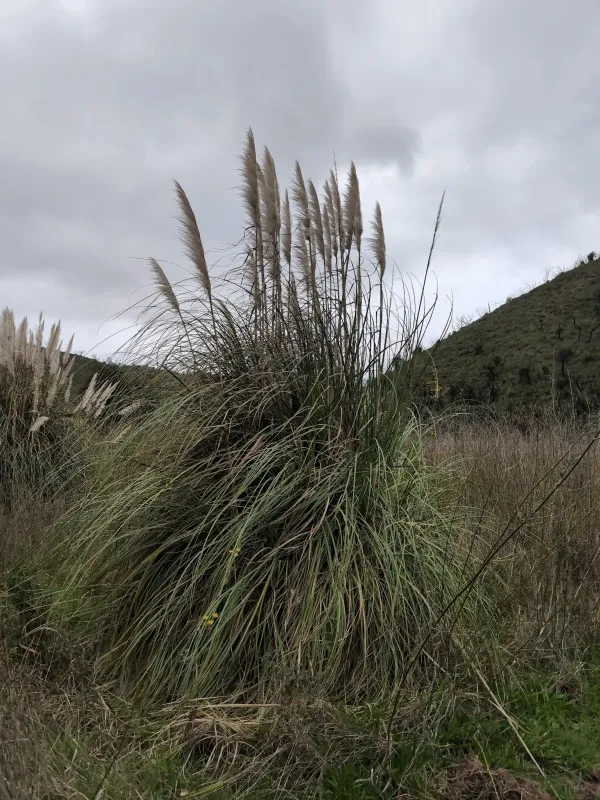
Cortaderia selloana, commonly known as pampas grass, is a robust perennial plant belonging to the Poaceae family. Native to the pampas region of South America, this grass is widely cultivated across the globe for its striking architectural presence.
The plant grows in large, dense clumps, characterized by long, narrow, and sharp-edged leaves. Its most distinctive feature is the large, feathery inflorescence that can reach several meters in height, providing significant aesthetic value to gardens and public parks.
Cultivation requires a full-sun location with fertile, well-draining soil. It thrives in temperate climates but requires protection from excessive soil moisture during winter months to prevent crown rot, which is a common cause of plant loss.
The agricultural maintenance involves yearly pruning in late winter or early spring to remove dead foliage and encourage fresh growth. While the plant is drought-tolerant once established, supplemental watering during active growth cycles improves overall health and inflorescence quality.
Beyond its ornamental role in landscaping, the plant is harvested for the commercial floriculture industry. The dried plumes are highly prized for interior design, event decorations, and artisanal crafts due to their longevity and unique texture.
Main diseases and pests
While Cortaderia selloana is generally resilient, it is susceptible to specific fungal infections, particularly rust diseases that develop under high humidity. Monitoring leaf health during rainy seasons is crucial to prevent the rapid spread of infections.
In terms of insect pests, spider mites are the most significant threat, especially during hot and dry spells. These pests colonize the underside of leaves, causing discoloration and physiological stress that hampers the plant's growth vigor.
Effective pest management includes the application of specialized pesticides when symptoms are first observed. Cultural practices, such as maintaining adequate space between plants to ensure good airflow, significantly reduce the incidence of both diseases and pests.
Root rot remains the most common threat related to poor site selection. Ensuring the planting site has adequate slope or a deep gravel layer for drainage is a mandatory step in the establishment phase of this crop.
Agronomists emphasize the importance of safety during maintenance. The leaf blades possess sharp serrations that can cause severe cuts; therefore, standard safety equipment, including heavy-duty gloves and long sleeves, is required when handling the plant.