
Chrysopogon filipes
Chrysopogon filipes
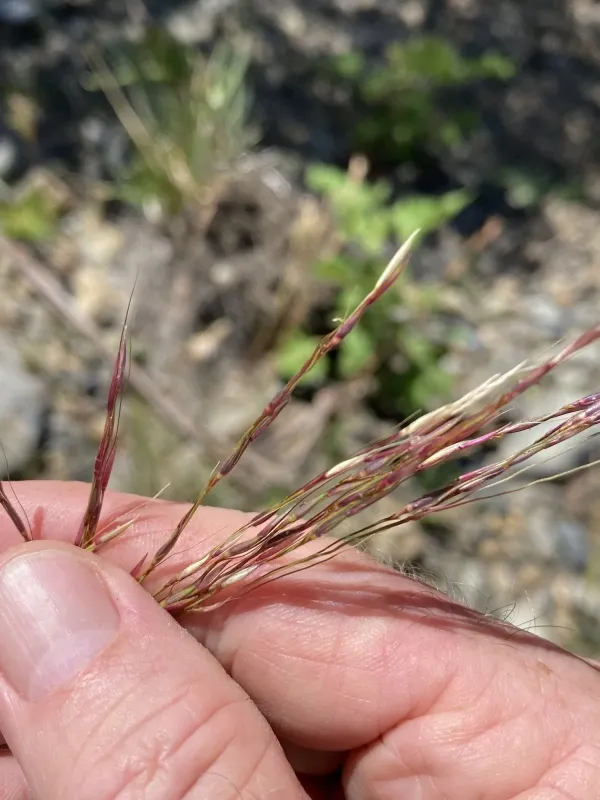
Description
Growing requirements
Chrysopogon filipes is a perennial herbaceous plant belonging to the Poaceae family. It is a well-known grass species native to specific tropical regions, highly regarded for its resilience in warm environments.
Botanically, the plant is characterized by its tufted growth habit and slender culms, which gives it a distinct appearance. It develops a robust root system, allowing it to adapt effectively to environments with periodic moisture fluctuations.
The crop thrives in well-drained soils with a sandy or loamy texture. It exhibits a preference for neutral to slightly acidic soil conditions, which are typical of many tropical savanna regions.
Regarding climate, Chrysopogon filipes requires high solar radiation and consistently warm temperatures. It is sensitive to frost, which limits its commercial cultivation to frost-free or tropical climatic zones.
Proper field maintenance involves monitoring soil moisture. While it is relatively drought-tolerant once established, supplemental irrigation during the peak growth season significantly enhances biomass production.
Yield
The primary economic use of Chrysopogon filipes is as a forage resource for livestock. It provides a reliable source of green mass, especially in pastures where other forage species may struggle to establish.
Yield productivity is significantly influenced by soil fertility management. Nitrogen fertilization, combined with proper moisture management, encourages vigorous tillering and increases the total dry matter yield.
The grass shows excellent regrowth capacity following harvesting or grazing. If managed correctly with rotational grazing patterns, it can maintain high productivity over several years without needing frequent reseeding.
In addition to its forage value, the root structure of Chrysopogon filipes makes it an excellent candidate for soil stabilization projects. It prevents erosion on banks and disturbed land areas effectively.
Farmers are advised to manage grazing intensity to avoid overgrazing, which can deplete the plant reserves and lead to a reduction in the overall stand density over time.