
Chilean bamboo
Chusquea culeou
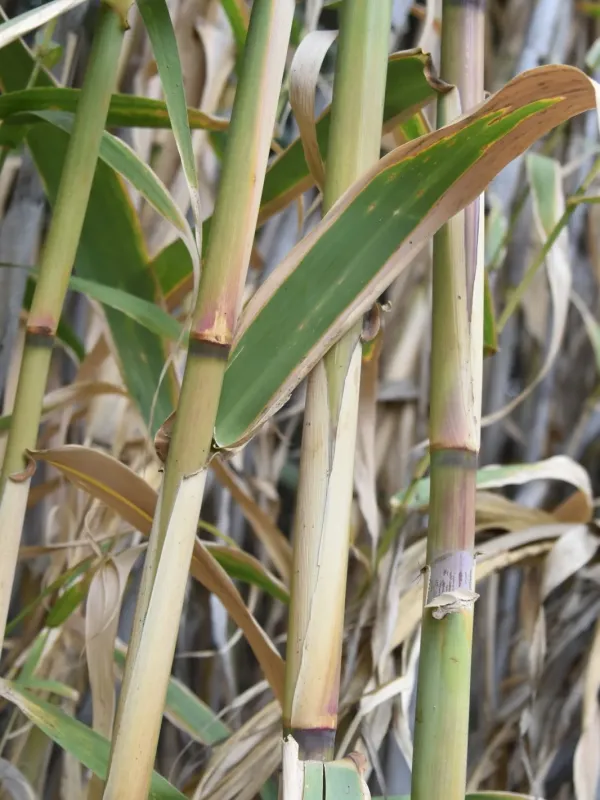
Description
Growing requirements
Chusquea culeou, commonly known as Chilean bamboo, belongs to the Poaceae family. Native to the mountainous regions of Argentina and Chile, this species is highly valued for its hardiness and ability to thrive in cooler temperate climates. Unlike many tropical bamboos, it is exceptionally well-adapted to environments with significant seasonal temperature variations.
For optimal growth, Chusquea culeou requires rich, loamy, and well-drained soils. While it is shade-tolerant, it performs best in locations that receive dappled sunlight and are protected from harsh, desiccating winds. Moisture management is crucial, as the plant prefers consistently damp conditions but does not tolerate standing water in the root zone.
Botanically, this species is distinct for its solid culms, which provide remarkable structural integrity. The root system is clumping, meaning it does not spread aggressively, allowing gardeners to maintain neat and contained patches of the plant. During the growing season, the plant produces dense foliage that creates a thick, evergreen visual screen.
Agricultural management includes regular mulching to retain soil moisture and regulate ground temperature. While the plant is hardy, providing a layer of organic material around the base is beneficial during the first few years of establishment. Nitrogen-rich fertilization in the spring encourages vigorous culm production throughout the summer.
The primary use of Chusquea culeou is in ornamental landscaping and windbreak installation. Due to its dense growth habit, it serves as an excellent privacy screen. Furthermore, its sturdy, solid canes have historically been utilized for crafting specialized tools, walking sticks, and diverse architectural design elements.
Main diseases and pests
Common pests affecting Chusquea culeou include aphids and spider mites, particularly in environments with poor air circulation or low humidity. Routine inspections and using gentle water sprays can effectively mitigate these infestations before they spread across the stand.
Root rot is the most significant threat to the health of Chilean bamboo, usually resulting from poor drainage or excessive watering. Ensuring that the soil structure is friable and that excess water can easily permeate away from the rhizomes is essential for long-term health.
In regions with heavy snowfall, culm breakage is a potential issue due to the plant's height and density. Tying the canes together loosely in late autumn can help prevent the weight of accumulated snow from causing mechanical damage to the structure of the plant.