
Chusquea subtessellata
Chusquea subtessellata
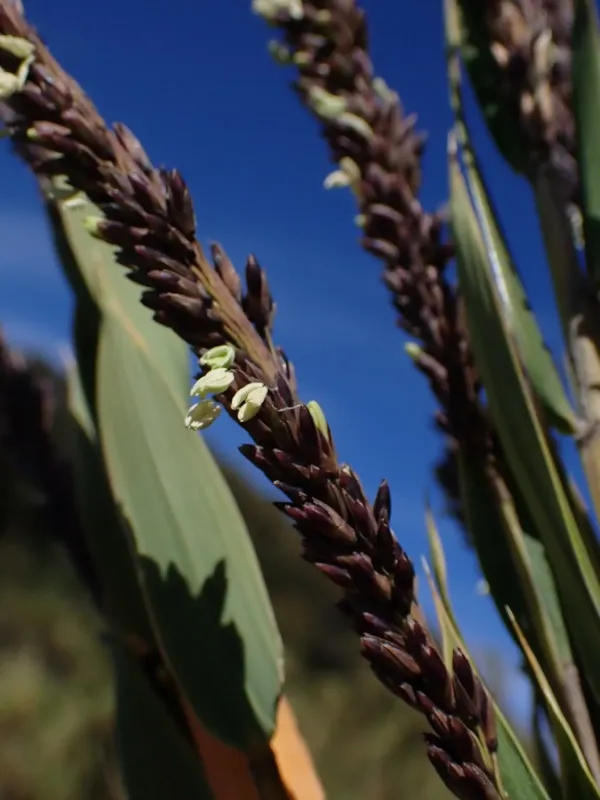
Description
Growing requirements
Chusquea subtessellata is a distinctive species of bamboo belonging to the Poaceae family. Native to the high-altitude paramos of Costa Rica, this plant has adapted to survive in subalpine environments with fluctuating temperatures and high humidity.
Botanically, it presents as a low-growing, dense shrub, which is an evolutionary response to the harsh, windy conditions prevalent in its native mountainous habitat. Its stems are robust and capable of withstanding physical stress from extreme mountain weather.
The plant requires a specialized climate to thrive, characterized by cool temperatures and significant precipitation. It cannot tolerate heat stress, which typically limits its range to high-elevation areas and makes it a challenging subject for conventional cultivation.
Soil requirements involve a preference for acidic, nutrient-rich, and well-draining substrates found in alpine regions. Moisture retention is critical, but the roots must not be waterlogged to avoid rot.
A high level of atmospheric humidity is essential for the health of this species. In cultivation, constant misting or a naturally foggy environment is often necessary to mimic the natural ecological niche of the plant.
Harvesting
The economic use of Chusquea subtessellata is primarily ecological rather than agricultural. It is highly valued for its role in preventing soil erosion on mountain slopes and maintaining the integrity of fragile alpine ecosystems.
Harvesting for commercial purposes is non-existent due to the plant's slow growth rate and protected status in many of its natural habitats. Any use of its biomass is limited to strictly traditional or small-scale artisanal crafts by local populations.
Cultivation for landscape purposes requires meticulous care, including periodic pruning to maintain density and health. Propagation is best achieved via rhizome division, which is a slow and delicate process.
There are no significant reports of industrial-scale diseases or pests, as the plant's natural environment keeps most common agricultural threats at bay. However, susceptibility to fungal issues may occur if stagnant water is present.
Overall, Chusquea subtessellata remains a plant of interest mainly for botanists, conservationists, and gardeners specializing in alpine or cloud forest flora, rather than for broad agricultural production.