
Chusquea quila
Chusquea quila
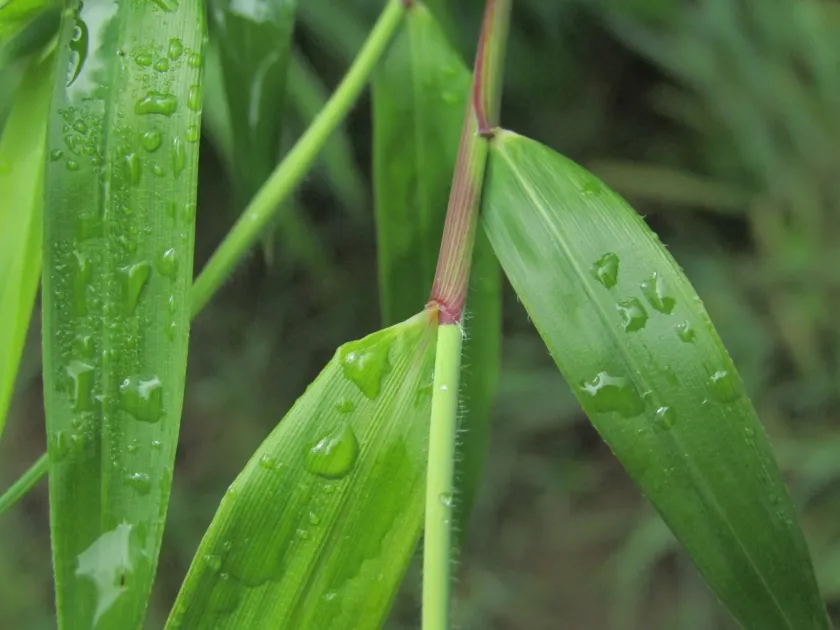
Description
Growing requirements
Chusquea quila is a species of woody bamboo belonging to the Poaceae family. Native to the temperate rainforests of Chile and Argentina, this plant is known for its robust, hollow stems that form dense, impenetrable thickets in its natural habitat.
For successful cultivation, this crop requires fertile, well-draining soil with high organic matter content. It thrives in locations that offer partial shade, mimicking the conditions of the forest floor, and demands consistent soil moisture to support its rapid growth.
Climate-wise, it prefers mild conditions and is sensitive to extreme frost or prolonged heatwaves. High atmospheric humidity is essential for the healthy development of its foliage and the production of strong, healthy canes.
The agricultural management of this plant involves managing its aggressive root system, which spreads via rhizomes. Regular thinning is necessary to prevent overcrowding and to ensure that the individual stems receive adequate sunlight and air circulation.
Economically, Chusquea quila is utilized for weaving materials, crafts, and light construction. In landscaping, it is highly valued for its dense growth pattern, which serves effectively as a natural privacy screen or windbreak.
Main diseases and pests
The primary threats to this bamboo include fungal pathogens that exploit damp and stagnant conditions at the base of the plant. Root rot is a common issue if soil aeration is not properly maintained.
Pests such as spider mites can infest the foliage, particularly in environments where humidity levels are too low. These pests can rapidly weaken the plant, leading to discoloration and premature leaf drop.
A unique physiological phenomenon in this species is its gregarious flowering, where the entire population may flower simultaneously after many years, eventually leading to a natural die-back of the older canes.
Disease management practices include applying targeted biological treatments and ensuring that spacing between plants is sufficient to promote airflow, thereby reducing the risk of fungal proliferation.
Maintaining a rigorous sanitation schedule, which includes the removal of dead or decaying biomass, is crucial for preventing the spread of diseases and keeping the bamboo grove in a healthy, productive state.