
Chusquea lorentziana
Chusquea lorentziana
Description
Growing requirements
Chusquea lorentziana is a perennial woody bamboo species belonging to the Poaceae family. Known for its distinct growth habit, this plant develops rigid, woody stems that distinguish it from many other herbaceous grasses common in temperate agriculture.
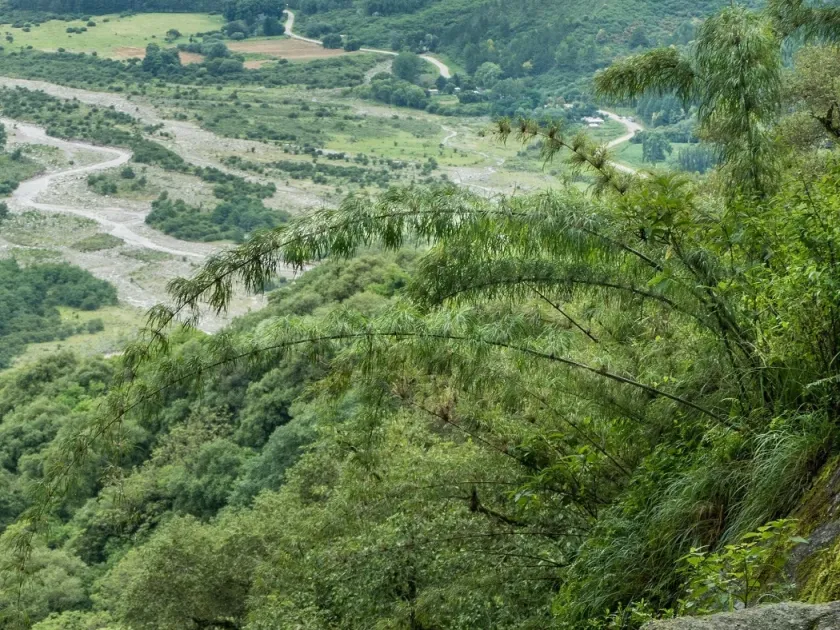
Native to the mountain forests of South America, particularly in Argentina, this species is well-adapted to cool, humid subtropical climates. It thrives in environments that provide consistent moisture and protection from severe weather conditions, such as strong winds or prolonged drought.
Cultivation requires well-draining, nutrient-rich soils with a slightly acidic to neutral pH level. Proper aeration is crucial, as the rhizome system is sensitive to waterlogging, which can lead to root decay if drainage is not managed efficiently.
The plant demonstrates a moderate level of cold tolerance, reflecting its high-altitude origins. However, for commercial purposes, maintaining a consistent ambient temperature and ensuring proper light exposure are essential for promoting healthy stem development and overall biomass production.
Agrotechnical management involves monitoring the spread of the rhizomes. Because Chusquea species are known for their vigorous growth, implementing physical root barriers is recommended in garden and plantation settings to maintain orderly rows and prevent the bamboo from becoming invasive.
Harvesting
The primary economic value of Chusquea lorentziana lies in its culms, which serve as a versatile material for construction, crafts, and furniture manufacturing. Its durability and tensile strength make it a sustainable alternative to softwoods in various applications.
Harvesting is typically conducted through selective thinning of mature culms. By removing only the fully lignified, older stems, farmers can ensure a sustainable yield while allowing younger stalks to continue developing without competition for nutrients.
Post-harvest management is critical to material quality. Stems should be cleaned and cured properly to prevent pests and structural warping. Controlled air-drying in shaded, well-ventilated areas preserves the integrity of the bamboo fibers for industrial use.
By-products of the harvest, such as foliage and smaller debris, serve as excellent organic matter. Incorporating these materials into the soil profile can improve moisture retention and nutrient cycling within the bamboo grove, reducing the need for synthetic fertilizers.
Systematic maintenance of the plantation, including annual pruning and removal of dead material, is essential for optimal performance. This practice not only improves the aesthetics of the plot but also reduces the risk of pest accumulation and promotes plant health.