
Ceylon lovegrass
Eragrostis zeylanica
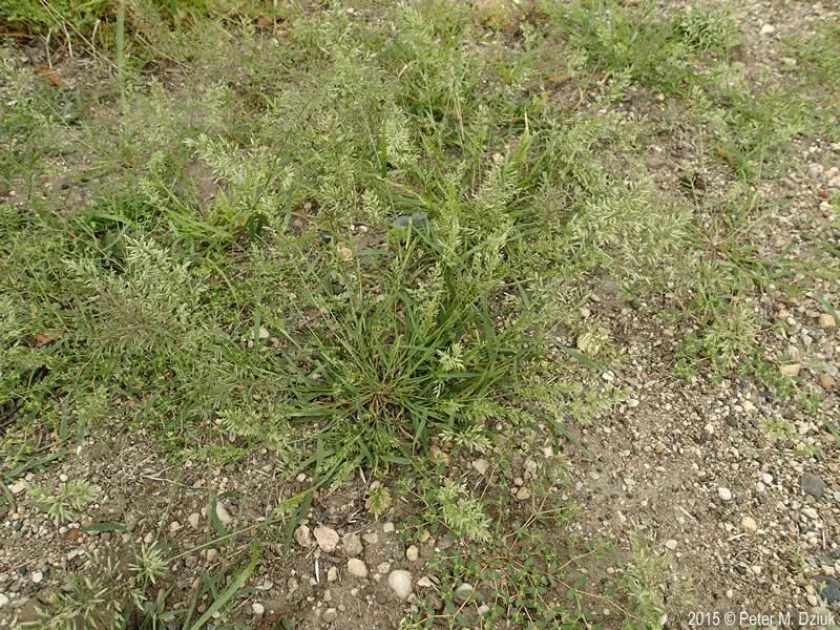
Description
Sowing dates
Sowing should be scheduled during periods of stable, warm weather. Soil temperature should ideally be at least 18 degrees Celsius to ensure rapid germination and healthy establishment of the seedlings.
Preparation involves creating a firm, level seedbed. Because the seeds are very fine, they should be sown at a shallow depth of 1 to 2 centimeters. Ensuring good contact between the seed and the soil is essential for uniform emergence.
Seeding rates must be calculated based on seed viability and the intended density of the pasture. A high seeding rate in the initial planting phase helps suppress early-season weeds and ensures a uniform stand that covers the ground quickly.
Fertilizer application at the time of sowing, particularly phosphorus, encourages early root development. This early boost is vital for the grass to establish itself against competing vegetation in the field.
Using precision planting equipment helps avoid overcrowding and ensures an even distribution across the field. This uniformity simplifies future maintenance tasks and results in a more consistent quality of forage mass throughout the growing season.
Growing requirements
Ceylon lovegrass (Eragrostis zeylanica) is a perennial grass species belonging to the Poaceae family. In agricultural settings, it is valued for its hardiness and ability to thrive in tropical and subtropical regions, serving as a reliable forage source.
Native to parts of South and Southeast Asia, this species has adapted to a wide range of soil conditions, including nutrient-poor, sandy, and rocky terrains. Its environmental flexibility makes it a resilient choice for reclamation and pasture development.
Botanically, the plant forms dense tussocks, which provide excellent ground cover and assist in soil conservation by preventing erosion. The slender, linear leaves are productive when managed correctly, offering high-quality biomass for livestock consumption.
The crop thrives best in well-drained soils, although it shows tolerance to temporary waterlogging. It performs optimally under neutral to slightly acidic soil conditions, where it can develop a deep and effective root system.
Temperature and sunlight are critical for its growth. Being a warm-season grass, it requires consistent heat to maintain active metabolism and reach peak biomass production levels, making it ideal for warmer climate zones.
Yield
Yield potential depends heavily on soil fertility and moisture availability. In well-managed systems, Ceylon lovegrass is highly responsive to intermittent grazing or mowing, demonstrating rapid regrowth and high biomass turnover.
It is primarily utilized for grazing and hay production. To maximize nutritional value, the grass should be harvested before the onset of heavy flowering, as the protein content and digestibility are highest in the vegetative stage.
Proper grazing management is essential to prevent overgrazing, which can degrade the tussocks. Rotational grazing schedules allow the grass sufficient rest periods to recover its root reserves and produce fresh, nutritious leaf growth.
When used for hay, proper drying techniques are necessary to prevent molding and nutrient loss. If cured correctly, it provides a stable and reliable food source for livestock, maintaining its palatability during storage.
The species is known for its persistence, allowing for stable production over multiple years. This longevity reduces the need for frequent reseeding and lowers long-term operational costs for livestock farmers.
Main diseases and pests
Common diseases affecting this grass include rust and various smut infections, particularly in high-humidity climates. Proper management, such as timely mowing and avoiding excessive canopy density, helps mitigate these fungal risks.
Insect pests can damage leaves and stems, leading to reduced overall yield. Integrated pest management strategies, such as field monitoring and maintaining healthy, vigorous plants, are the best methods for control.
Weed competition is most critical during the establishment phase. Since the seedlings grow slowly initially, mechanical weeding or appropriate chemical control methods are necessary to prevent invasive plants from overtaking the stand.
Soil-borne pests may sometimes cause damage to the root system, leading to patchy fields. Regular inspections of the root health and soil condition can help identify these issues early, allowing for timely intervention.
Crop rotation and field sanitation are key preventative measures to stop the buildup of pathogens. By managing the land effectively and respecting rest intervals, the field remains healthier and more productive over time.