
Chaetopogon fasciculatus
Chaetopogon fasciculatus
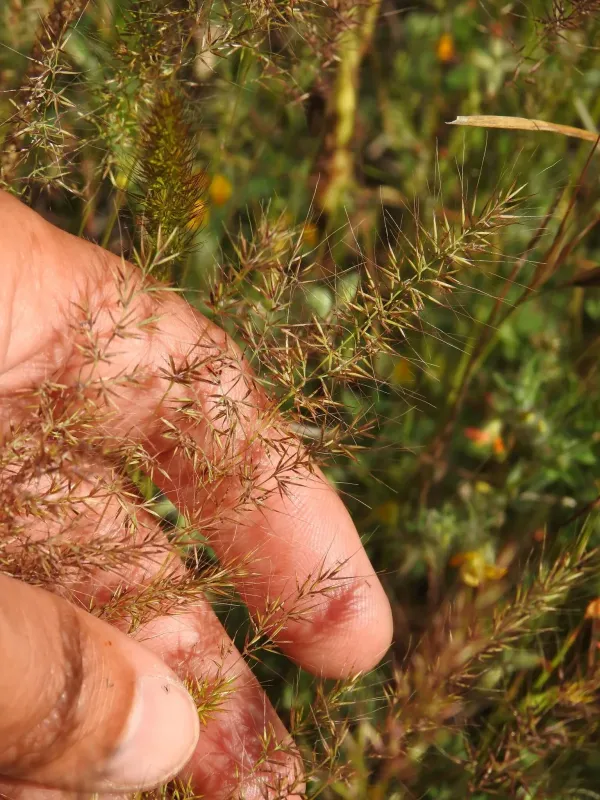
Description
Growing requirements
Chaetopogon fasciculatus is an annual grass species belonging to the Poaceae family. Native to the Mediterranean region, it typically inhabits sandy and moist coastal environments.
The species prefers light-textured, sandy soils that allow for rapid drainage while maintaining sufficient moisture levels. It is known to tolerate mild salinity, making it well-suited for coastal ecological niches.
Climate requirements include moderate temperatures during the growth cycle. The plant is sensitive to frost and thrives best in warm, sunny conditions during its spring vegetation phase.
Agricultural management for this species focuses on maintaining optimal soil moisture during the early establishment phase to promote vigorous tillering.
As a specialized grass, its biology is adapted to Mediterranean weather patterns, characterized by wet winters and dry, warm summers.
Yield
The economic utility of Chaetopogon fasciculatus is primarily centered on its role in natural pastures. It serves as a palatable source of forage for livestock during early spring.
Although it is not cultivated as a primary industrial crop, its biomass production can be significant in favorable growing conditions with adequate soil nutrients.
It acts as a secondary forage species that contributes to the overall botanical composition and nutritional diversity of natural grasslands.
Beyond its forage value, the plant is valued for soil stabilization, as its root system helps bind loose, sandy soils prone to erosion.
Current research investigates the potential of the species for inclusion in restorative land-use projects due to its hardy nature and ecological adaptability.
Main diseases and pests
The species faces threats primarily from environmental stressors, including prolonged drought, which can significantly inhibit the development of reproductive organs.
Fungal infections, such as rusts and powdery mildew, represent common threats to the health of the plant, especially under high humidity and poor ventilation.
Invertebrate pests, particularly various species of aphids and cereal-feeding insects, may cause damage to the leaves and developing inflorescences.
Overgrazing poses a direct threat to the sustainability of the population, as it restricts the plant's ability to complete its lifecycle and disperse seeds effectively.
Competition from more aggressive invasive species in the coastal zone can lead to a reduction in the population density of Chaetopogon fasciculatus.