
Centropodia glauca
Centropodia glauca
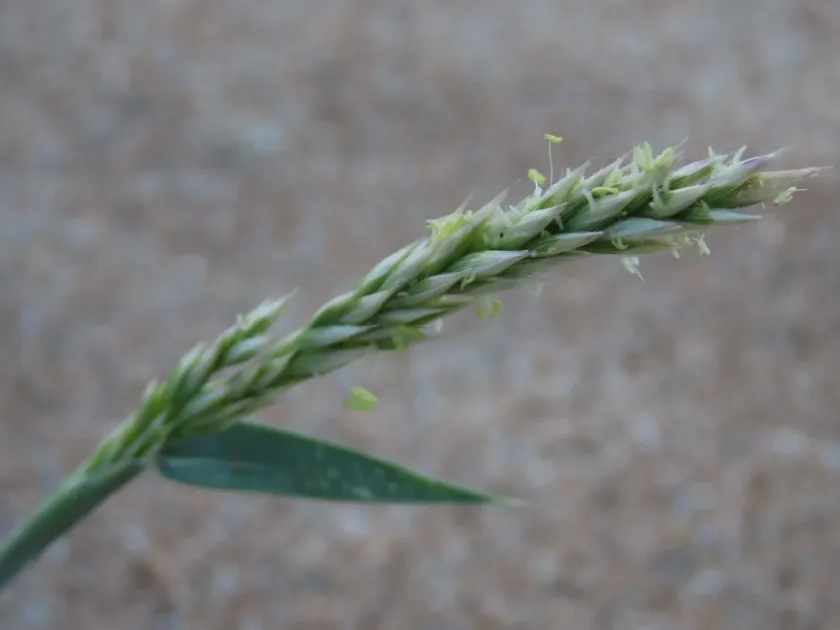
Description
Sowing dates
The establishment of Centropodia glauca stands is typically initiated in early spring to take advantage of soil moisture availability for seed germination and seedling emergence.
Surface sowing is the most effective method, as the small seeds of this species require minimal depth and close contact with the soil profile to begin growth.
During the sowing process, it is essential to ensure that the seedbed is free from aggressive weed competition to allow the seedlings to establish their root systems effectively.
The timing of sowing is critical in arid regions, where farmers must target the window before the peak heat to ensure the plants are sufficiently rooted to survive the summer drought.
In extensive rangeland systems, broadcasting seeds across suitable terrain followed by light mechanical incorporation is sufficient to achieve successful stand development.
Growing requirements
Centropodia glauca is a highly specialized xerophyte, perfectly adapted to harsh, dry environments where standard agricultural crops would fail to survive.
The species thrives in sandy or light-textured soils that offer excellent drainage, which is a prerequisite for preventing root rot and supporting healthy plant growth.
One of the most valuable traits of this grass is its significant tolerance to soil salinity, making it an excellent candidate for the restoration of degraded landscapes.
It requires full sun exposure and is highly sensitive to shading, which can significantly inhibit its development and reduce the overall biomass production.
The plant's resilience is further enhanced by its deep, fibrous root system, which allows it to access deeper soil moisture reservoirs during prolonged periods of drought.
Yield
While biomass yield may not be as high as in intensive fodder crops, Centropodia glauca provides a reliable and consistent source of grazing material in arid climates.
Sustainable pasture management is the key to maintaining yield, as rotational grazing ensures that the plants are not depleted and have time to recover between sessions.
The nutritional value of the foliage is high in the early vegetative stages, providing essential proteins and fibers for camels, sheep, and goats grazing in dry rangelands.
The yield potential is directly linked to the environmental conditions; however, its ability to survive when others perish gives it a unique agricultural edge in deserts.
Monitoring the plant density within a pasture is essential for assessing the overall yield potential and ensuring that the land is not being overstocked.
Main diseases and pests
Centropodia glauca benefits from a strong natural defense system, exhibiting high resistance to many common fungal diseases that affect cereal and forage crops.
The primary threats to this species are nomadic pest populations, particularly locusts, which can cause severe defoliation during seasons of high insect activity.
Overgrazing is a significant indirect threat, as it reduces plant cover, potentially leading to soil erosion and loss of habitat for desirable range species.
Competition from invasive plant species can be a major issue, especially in areas where the soil has been disturbed or the native vegetation has been weakened.
Maintaining a balanced ecosystem through controlled grazing and habitat management is the most effective way to prevent the build-up of major pest populations.
Harvesting
Seed harvesting must be handled with great care due to the risk of shattering; therefore, collectors typically aim to harvest when the seed heads are fully developed but before dispersal.
In grazing systems, harvest is performed by livestock, and the timing of entry into the pasture is crucial for maintaining the vigor and longevity of the stand.
Mechanical harvesting for hay production is possible but usually reserved for years with better than average rainfall to ensure sufficient foliage volume.
Post-harvest seed cleaning should be done carefully to remove chaff, ensuring high purity levels before storage in cool, dry conditions for future use.
Managing the regrowth after harvest is essential for the plant's survival; therefore, leaving a sufficient stubble height is recommended to protect the crown and promote rapid recovery.