
Centropodia fragilis
Centropodia fragilis
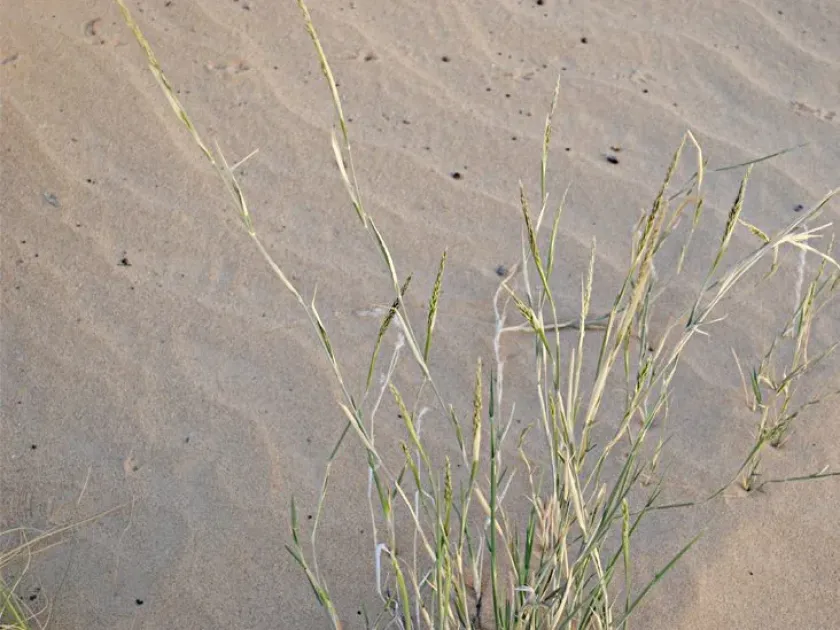
Description
Sowing dates
Centropodia fragilis is a perennial grass species within the Poaceae family, specifically adapted to arid and semi-arid environments. The sowing process is primarily timed to align with the onset of seasonal rainfall to ensure sufficient moisture for seedling germination and establishment.
For optimal results, seeds should be sown at a shallow depth of approximately 1 to 2 centimeters. Because the seeds are relatively small, deep burial can prevent emergence, so precision in seed placement is critical for successful stand establishment.
The preparation of the seedbed is essential, particularly in sandy regions where moisture retention is low. Removing competing vegetation and leveling the surface allows for better seed-to-soil contact, which increases the likelihood of rapid colonization.
While natural regeneration often occurs after rainfall, intentional sowing should be managed at reasonable densities. This prevents individual plants from competing excessively for limited nutrients during the early stages of growth.
Monitoring the moisture levels post-sowing is highly recommended in agricultural settings. Even though the species is drought-hardy, the early seedling stage remains the most vulnerable period, necessitating careful management of the growth environment.
Growing requirements
This grass is highly prized for its environmental plasticity, particularly its ability to thrive in hyper-arid climates. It is well-documented for its success on sandy soils, dunes, and saline substrates where typical agricultural crops fail to develop.
Centropodia fragilis exhibits remarkable salt tolerance, making it an excellent candidate for the restoration of degraded or saline lands. Its presence contributes significantly to the stabilization of topsoil against wind erosion.
Full sun exposure is a non-negotiable requirement for this species. It is a heliophyte that does not tolerate competition for light; therefore, it should not be planted in proximity to taller shrub species or within shaded environments.
The root system is exceptionally deep and extensive, allowing the plant to reach groundwater reserves even during prolonged drought periods. This biological adaptation ensures survival when ambient temperatures reach extreme levels.
Requirements for soil nutrients are relatively low. The species has evolved to effectively extract minerals from poor, degraded, or mineral-deficient soils, contributing to its status as a pioneer species in harsh ecosystems.
Main diseases and pests
The most significant threats to populations of Centropodia fragilis include outbreaks of locusts and other grass-feeding insects. These pests can rapidly defoliate large areas, leading to severe economic losses in pastoral settings.
While the species is hardy against climatic stressors, it can be susceptible to root rot if placed in environments with poor drainage or stagnant water. Maintaining proper soil aeration is vital for long-term health.
Overgrazing poses a major threat to the sustainability of the pasture. If the grazing intensity exceeds the plant's ability to regenerate its biomass, the stand will inevitably thin, leading to potential soil exposure and erosion.
Competition from invasive weeds can hinder the establishment of new plants. In areas where management is absent, more aggressive weed species may outcompete young grasses for moisture, leading to the collapse of the artificial stand.
Integrated management practices, including rotation grazing and periodic site monitoring, are the most effective ways to mitigate these threats. Preventing mechanical over-use of the land ensures the resilience of this valuable plant resource.