
Sea fern grass
Catapodium marinum
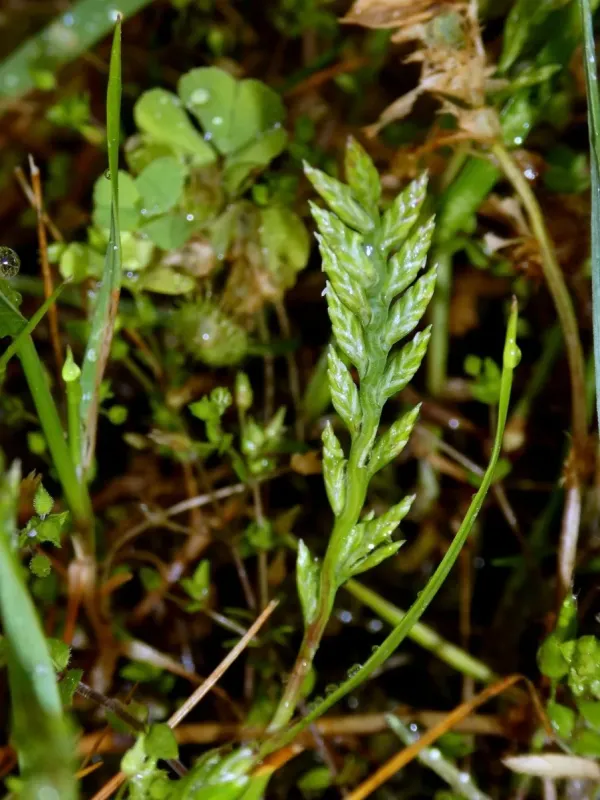
Description
Sowing dates
Catapodium marinum is an annual grass species, biologically programmed to germinate during the cooler, wetter months of the year. In its natural environment, this period typically follows the autumn rains which reduce surface soil salinity.
For agricultural cultivation, seeds should be sown in sandy, well-draining substrates. The optimal timing involves late winter or early spring, ensuring that the seeds benefit from moderate temperatures and sufficient moisture for consistent germination.
Given the small size of the seeds, shallow sowing is mandatory, ideally at a depth of no more than 0.5 cm. Light surface covering with sand or fine gravel helps maintain seed-to-soil contact without hindering the emerging sprouts.
Success in sowing depends on stable environmental conditions. Exposure to extreme temperature fluctuations or drying winds during the delicate seedling phase should be minimized through strategic field placement or protective measures.
Once established, the grass displays a rapid root development phase. Proper spacing is important if growing for research or conservation, allowing each individual plant enough room to thrive without intense resource competition.
Growing requirements
Catapodium marinum belongs to the Poaceae family and is recognized as a hardy halophyte. Its primary evolutionary adaptation is its high tolerance to saline environments, making it an excellent candidate for coastal restoration.
Light intensity is a critical requirement for this species. As a plant naturally found in open coastal dunes, it requires maximum direct sunlight throughout the day to support its metabolic processes and seed production.
Soil composition should strictly favor sandy or calcareous soils with superior permeability. The plant does not tolerate waterlogging, as its roots require constant oxygen access, which is easily inhibited in compact clay soils.
Climate requirements include mild winters and generally stable coastal temperatures. While it can withstand salt spray and wind, it is not highly frost-resistant, and extended periods of deep freezing can impact its survival rate.
Water requirements, while focused on salt tolerance, still necessitate moisture availability during the vegetative stage. While the plant can survive in high-salinity zones, supplemental water during drought periods promotes significantly better biomass development.
Main diseases and pests
The primary threats to Catapodium marinum are associated with fungal pathogens that thrive in stagnant moisture or poor ventilation. Root rot is the most common issue in poorly managed cultivation areas.
Pests such as aphids and specific subterranean nematodes can weaken the plant’s structure. Leaf damage, in particular, reduces the plant's capacity for effective photosynthesis, which is detrimental during the seed-filling phase.
Interspecific competition from invasive weeds poses a constant threat in cultivated plots. Because this grass is specialized for saline, sandy habitats, it often lacks the vigor to compete with more aggressive flora in nutrient-rich settings.
Mechanical disturbance of the soil surface, such as erosion or foot traffic, can lead to the loss of established stands. The root structure is not deep enough to recover quickly from significant physical damage to the topsoil layer.
Agricultural monitoring should focus on early detection of chlorosis or wilting. Maintaining a clean cultivation environment and ensuring that the drainage system is functioning properly are the best strategies for preventing major infestations.