
Catapodium rigidum
Catapodium rigidum
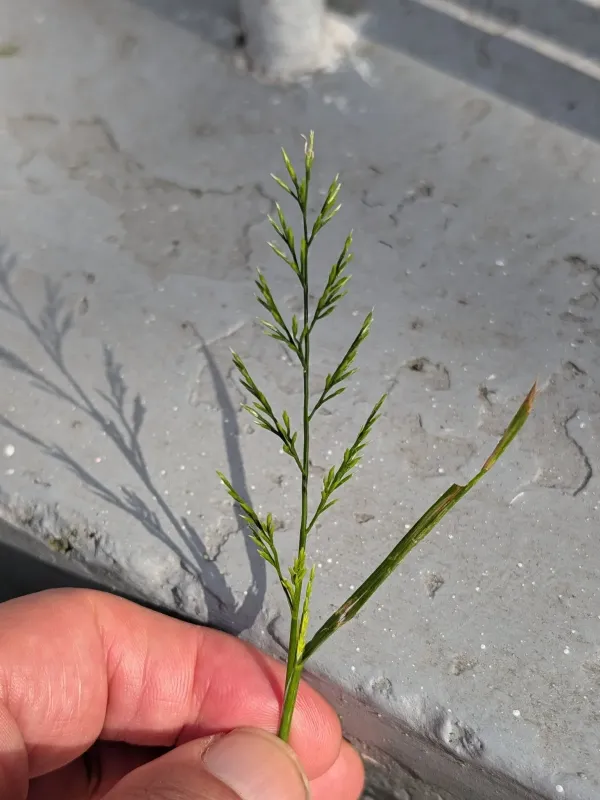
Description
Sowing dates
Catapodium rigidum is typically an annual grass that thrives when sown in the autumn season. This mimics its natural growth cycle, where germination is triggered by cooling temperatures and increased moisture.
For agricultural purposes, seeds should be sown shallowly, as they are very small and have limited energy reserves for deep emergence. A depth of 0.5 to 1 cm is generally sufficient.
Broadcasting seeds followed by light rolling is the preferred method for establishing a dense stand. This ensures intimate contact between the seed and the soil, which is vital for uniform emergence.
Spring sowing is only advisable in cooler regions where rainfall is persistent. In warmer areas, spring-sown crops often suffer from rapid drought stress before they can establish a root system.
Maintaining a clean seedbed before planting is essential to reduce early competition from broadleaf weeds, which can easily overwhelm the young seedlings of this grass.
Growing requirements
As a member of the Poaceae family, Catapodium rigidum is highly adapted to well-drained, dry, and calcium-rich soils. It often colonizes rocky or limestone outcrops where other grasses struggle.
The plant is extremely drought-tolerant, making it an excellent candidate for the restoration of degraded landscapes and arid pastures. It completes its lifecycle before the onset of extreme summer heat.
Sunlight is a key requirement for healthy growth. The species is obligately photophilous, and any significant shading will result in stunted growth and a failure to set viable seeds.
It does not tolerate waterlogged conditions or heavy, clay-rich soils that retain excess moisture. Proper drainage is mandatory for preventing root rot and ensuring plant vigor.
Low nutrient requirements make this plant suitable for low-input agriculture. It performs well in poor soils without the need for intensive synthetic fertilization regimes.
Main diseases and pests
The primary threats include fungal pathogens like rusts and powdery mildew, which thrive during damp spring months. These diseases can significantly reduce photosynthetic leaf area.
Pests such as aphids and grass-feeding beetles can damage the tender stalks during the vegetative growth phase. Monitoring for these pests is essential in high-density forage plots.
Weed encroachment is a major challenge for the maintenance of Catapodium rigidum stands. Aggressive perennial grasses can outcompete it during the early stages of development.
Overgrazing or improper harvesting timing poses a significant risk to future yields. The plant must be allowed to complete its reproductive cycle to replenish the soil seed bank.
Inappropriate herbicide application can be lethal to the stand. Selective weed management is necessary, as the plant is sensitive to many common broad-spectrum chemical controls.