
Catchfly grass
Leersia lenticularis
Description
Growing requirements
Leersia lenticularis, commonly known as catchfly grass, is a perennial member of the Poaceae family. It is native to North American wetlands, where it thrives in floodplains and marshy habitats.
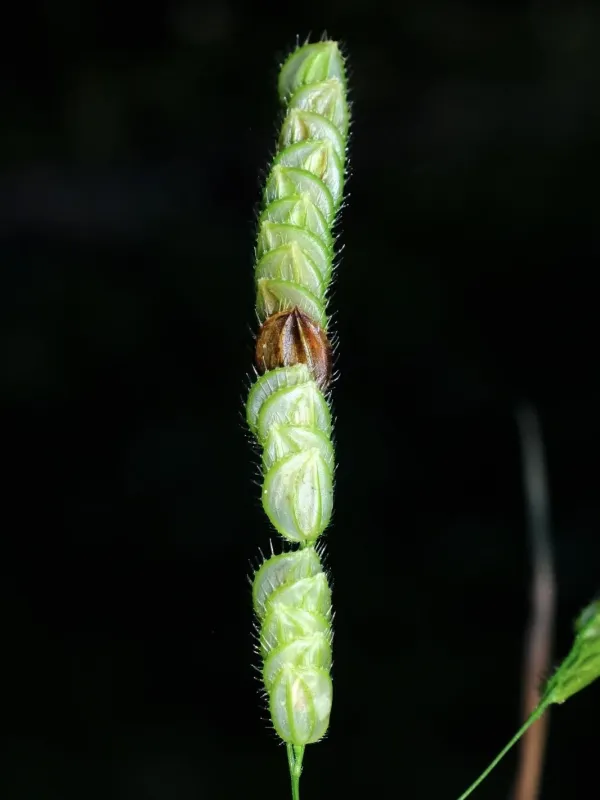
Botanically, this species is distinguished by its scabrous leaves and the specific structure of its spikelets, which resemble lentils, hence the scientific epithet. It typically grows in clumps and spreads via rhizomes.
The crop requires saturated or submerged soils for optimal development. It is highly adapted to wet environments and can tolerate water inundation that would prove fatal to many other agricultural grasses.
In terms of climatic needs, catchfly grass favors warm, humid climates. It requires consistent moisture levels throughout the growing season to ensure robust stem elongation and foliage production.
Soil composition is critical; the plant performs best in nutrient-rich alluvial soils. Its deep and extensive root system makes it an excellent candidate for soil stabilization projects in prone-to-erosion areas.
Main diseases and pests
The primary threats to catchfly grass are fungal pathogens that thrive in high-humidity environments, including various types of leaf blight and rusts that compromise photosynthetic area.
Pest pressure often comes from insect populations specialized in riparian flora, such as stem borers or aphids that exploit the succulent tissues of the grass during the peak growing season.
Root health can be negatively impacted by anaerobic conditions if the substrate becomes overly compacted or if pollutants accumulate in the water source.
Management strategies focus on maintaining biodiversity within the field boundaries to encourage natural predators, which helps control pest populations without the need for synthetic pesticides.
Farmers are advised to implement regular scouting practices to detect early signs of infestation, ensuring that any intervention remains within ecological safety guidelines for wetland areas.