
Arthrostylidium farctum
Arthrostylidium farctum
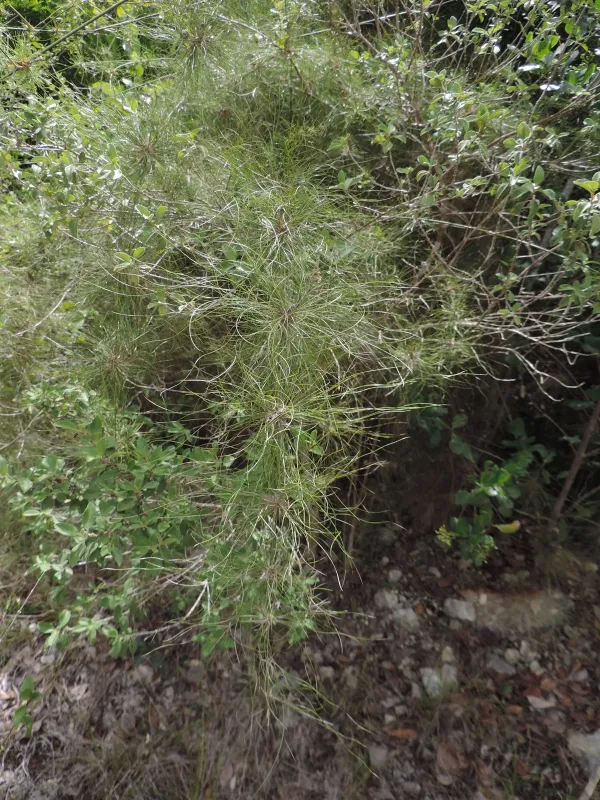
Description
Sowing dates
Arthrostylidium farctum is a woody bamboo species belonging to the Poaceae family. In agricultural settings, it is primarily propagated through the division of mature clumps or the strategic planting of rhizome cuttings to ensure genetic uniformity.
Planting is most successful at the onset of the rainy season. This timing provides the necessary soil moisture levels to stimulate rapid root development and establishment, which is vital for the long-term survival of the bamboo crop.
When preparing the site, it is crucial to select rhizome segments that possess healthy, dormant buds. The spacing between plants should be carefully planned to allow for lateral rhizome expansion over several years.
Initial cultivation often occurs in specialized nursery conditions where temperature and humidity can be tightly regulated. This stage significantly increases the establishment rate before the plants are transitioned to the field.
As the plant begins to establish itself, minimal disturbance to the soil structure around the root zone is recommended. Proper care during the first two years of growth is the most critical factor for future yields.
Growing requirements
This species thrives in humid tropical climates with temperatures consistently ranging between 20 and 30 degrees Celsius. It requires high atmospheric humidity to maintain the vigor of its foliage and the flexibility of its canes.
The ideal soil is well-drained, fertile, and rich in organic matter. While the plant loves water, it cannot tolerate stagnant water conditions, which can quickly lead to root rot and severe stress on the bamboo plant.
Filtered sunlight or partial shade is the preferred exposure for Arthrostylidium farctum. In areas of intense direct sunlight, plants may require protective measures to prevent scorching and dehydration during the peak hours of the day.
Regular application of organic fertilizers, particularly those rich in nitrogen, supports the rapid growth phase of the canes. Soil nutrient management is a key aspect of maintaining a productive bamboo stand.
Maintaining a layer of organic mulch around the base of the plant is standard agricultural practice. This helps retain moisture in the soil, suppresses weed competition, and protects shallow rhizomes from extreme thermal fluctuations.
Main diseases and pests
Fungal pathogens represent the most common threat to bamboo plantations, particularly in environments with poor air circulation and excessive dampness. These infections can lead to leaf spots and tissue decay.
Insect pests, such as aphids and scale insects, often target the tender shoots and foliage. These pests can significantly reduce the vitality of the plant if left unchecked during the rapid growth stage of the bamboo.
Rodents and other small mammals may cause damage to the underground rhizome system. Such physical injuries often serve as entry points for secondary infections that can weaken the overall stand of the crop.
Integrated pest management strategies should focus on thinning out overgrown clumps to improve air circulation. This simple silvicultural technique is often the most effective way to prevent the buildup of pest populations.
Monitoring the health of the canes for signs of discoloration or wilting allows for early intervention. Sustainable agricultural practices prioritize prevention and the use of natural predators to maintain a healthy plantation.