
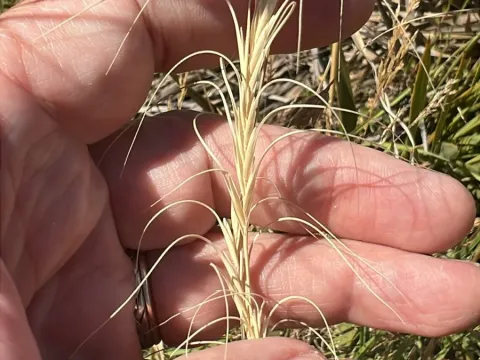
Anthosachne
Anthosachne
Anthosachne, as a perennial grass genus, requires careful preparation for establishment. The optimal sowing time is typically in early spring, when soil moisture is sufficient to support consistent germination and root development.
What the section contains

Anthosachne
Autumn sowing is also a viable option in many regions, allowing the seeds to benefit from winter stratification and early establishment before the summer heat. Proper seedbed preparation, including leveling and firming, is essential for high success rates.
Seed depth should be kept shallow, generally between 1 and 2 centimeters. Because grass seeds of this genus are relatively small, deep planting can prevent the seedlings from reaching the surface before their energy reserves are depleted.
Seeding rates depend on the intended use of the land, whether for intensive grazing, hay production, or environmental restoration. Higher rates are often used for pasture establishment to quickly create a competitive cover against potential weed infestations.
Rolling the soil after sowing is a critical agronomic practice for Anthosachne. This ensures optimal seed-to-soil contact, which facilitates the capillary movement of water to the seed, thereby accelerating the germination process.
Anthosachne belongs to the Poaceae family and exhibits significant ecological adaptability. Native primarily to Australia and New Zealand, these grasses are well-suited to various steppe and temperate grassland environments.
The genus prefers well-drained soils and shows excellent tolerance to varying soil pH levels. It is particularly valued for its drought resistance, making it a robust choice for regions where water availability is unpredictable.
These grasses are highly photophilic and perform best in full sunlight. They struggle in shaded areas, which can hinder their growth and reduce the density of the sward, leaving space for opportunistic weeds.
Climatic requirements are focused on moderate temperatures; while these grasses can withstand cold snaps, extreme frost without snow cover may impact winter survival rates. They thrive in regions with distinct growing seasons.
Soil nutrient management is relatively straightforward as Anthosachne is not overly demanding. However, basic fertilization programs at establishment can significantly improve the initial vigor and speed up the development of a resilient root system.
The yield of Anthosachne depends largely on the intensity of the grazing or cutting regime. When managed properly, it provides a consistent supply of forage that is palatable to livestock during the active growth phase.
For hay production, harvesting at the early heading stage is essential to maximize the nutritional value. Delaying the harvest results in an increase in lignin and cellulose content, which significantly lowers the protein value for livestock consumption.
Beyond its value as a feed crop, Anthosachne is widely used for land conservation. Its extensive root system provides excellent soil stabilization, effectively preventing erosion on sloped terrains and degraded land areas.
Seed production requires specialized management. Harvesting must be timed precisely to capture the seeds before they disperse, as many species in this genus have evolved mechanisms that facilitate easy shedding upon reaching maturity.
Sustainability of the sward is maintained through controlled grazing intervals. Over-grazing can deplete the root reserves of the perennial plants, leading to a decline in yield and productivity over subsequent seasons.
Fungal diseases, including various types of rusts and mildews, are the most common threats to Anthosachne. High humidity and poor air circulation within the canopy often create ideal conditions for these pathogens to spread.
Root rot can occur in poorly drained soils or during periods of prolonged waterlogging. Maintaining good soil structure and ensuring proper surface drainage are the primary defense strategies against these soil-borne issues.
Pests such as aphids and grass-feeding insects can cause damage during the peak growing season. Regular scouting of the field allows for early intervention, often preventing the need for broad-spectrum chemical applications.
Weed competition is the primary threat during the establishment phase. Using integrated weed management practices, such as mowing or selective herbicide application, is necessary to ensure the crop establishes successfully without being choked out.
Biosecurity and regular field inspections are crucial for long-term health. By identifying stress factors early, producers can manage the environment to support the vigor of the grass and reduce susceptibility to further damage.
Harvesting for forage is best conducted during the flowering or heading phase. This timing ensures a high protein-to-fiber ratio, making the fodder highly nutritious and easily digestible for cattle and sheep.
In haymaking, rapid drying is key. Using tedders and rakes to move the material ensures even moisture loss, which preserves the quality and color of the hay, preventing spoilage from mold or excessive sun exposure.
Seed harvesting should be performed when the crop has reached the appropriate stage of wax maturity. Because the seeds are prone to shattering, early or timely harvesting is more efficient than waiting for complete field senescence.
Post-harvest handling involves thorough cleaning and drying of the seed lot to prevent heating and degradation in storage. Properly stored seeds will maintain high viability for future planting seasons.
After the final cut of the season, leaving a sufficient stubble height is important for the plant's winter survival. This biomass helps insulate the crowns and protects the growing points from freezing temperatures.