
Apluda varia
Apluda varia
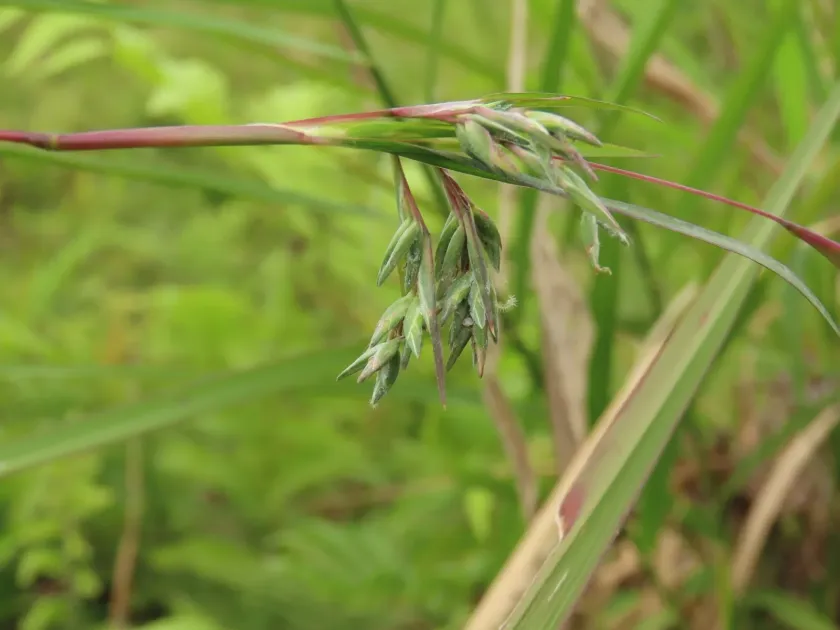
Description
Sowing dates
Apluda varia, commonly known as giant rapeseed or simply by its scientific name, is a perennial grass belonging to the Poaceae family. It is predominantly cultivated in tropical and subtropical regions of Asia.
Propagation is typically performed through seeds sown at a depth of 1–2 cm. For optimal results, sowing is scheduled at the beginning of the rainy season to capitalize on soil moisture.
Vegetative propagation by dividing existing clumps is also a common and effective method for rapidly establishing new pasture areas or covering degraded slopes.
Seedbed preparation should include mechanical loosening and thorough weed removal, as young seedlings are sensitive to competition from aggressive, fast-growing weeds.
The spacing between rows is determined by the expected bushiness of the plant, ensuring that each plant has enough space to develop a strong, deep root system.
Growing requirements
This grass species thrives in full sun and requires well-lit environments to maintain high photosynthetic activity and biomass production throughout the growing season.
Apluda varia shows remarkable adaptability to various soil types, ranging from nutrient-poor rocky grounds to fertile, well-draining loams common in its native range.
Temperature plays a crucial role in its development, with 20–30 degrees Celsius being ideal for rapid growth. The plant is sensitive to frost and cold snaps.
Adequate soil drainage is essential for healthy development, although the plant can tolerate short periods of waterlogging due to its natural occurrence in riparian zones.
While the plant exhibits moderate drought tolerance, consistent moisture levels significantly enhance the yield, especially in regions with distinct dry seasons.
Yield
The biomass yield of Apluda varia is high, making it a valuable forage crop for cattle and buffalo. It is highly palatable when harvested at the vegetative stage.
Proper harvesting management is key to maintaining productivity; frequent cutting stimulates regrowth, which is vital for sustained yield over multiple seasons.
In addition to its role as fodder, the extensive root system of this grass makes it an excellent candidate for soil stabilization and erosion prevention projects.
Nutritional analysis shows that young shoots are rich in proteins and minerals, providing essential nutrients that support livestock growth and productivity.
Productivity remains stable over several years if managed correctly, as the plant is a perennial that can survive multiple cycles of grazing and harvesting.
Main diseases and pests
Like many tropical grasses, it can be susceptible to various fungal pathogens, particularly leaf rusts that thrive in high humidity and poorly ventilated canopy structures.
Pest issues include attacks from grasshoppers and various caterpillar species, which can cause significant damage to the leaf tissue if population densities become high.
Weed encroachment is a primary threat during the establishment phase, necessitating active management such as manual weeding or selective cultivation until the grass establishes.
To mitigate disease risks, agronomists recommend maintaining optimal plant density to ensure good airflow and reducing nitrogen over-application, which can promote lush but susceptible foliage.
Integrated pest management (IPM) practices should be employed to balance the need for crop protection with environmental and forage safety standards for livestock.
Harvesting
Harvesting for fodder should occur before the flowering stage, as the nutritional profile declines and the stems become lignified (woody) as the plant matures.
For hay production, the cut grass must be dried evenly. Sun-drying is standard practice, but it must be performed quickly to prevent loss of leaves and nutritional quality.
Seed harvesting requires monitoring the seed head maturity. Once the seeds reach the hard dough stage, they are collected, threshed, and cleaned to ensure high germination rates.
The cutting height should be carefully adjusted to leave enough leaf area for regrowth, ensuring that the plant can store sufficient energy in its crown for the next season.
Storage of harvested forage requires clean, dry conditions to prevent mold formation, ensuring that the stored feed remains safe for animal consumption during the winter months.