
Matourea scutellarioides
Matourea scutellarioides
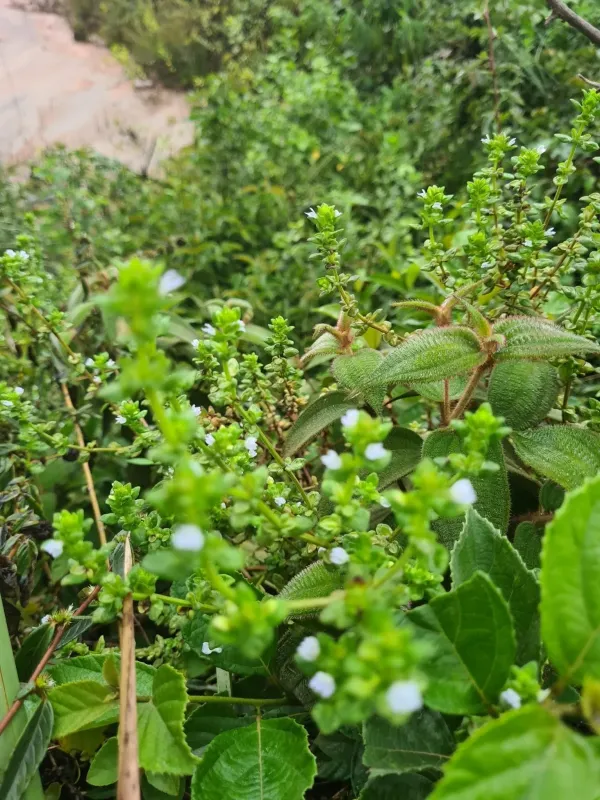
Description
Sowing dates
Matourea scutellarioides requires specific thermal conditions for germination, reflecting its tropical origin. Seeds should be sown when soil temperatures reach a consistent 22–25 degrees Celsius to ensure rapid and uniform emergence.
For best results, seeds are surface-sown in a finely textured, organic-rich substrate. Because the seeds are small and light-dependent for germination, they should not be covered with a thick layer of soil, but rather pressed lightly into the surface.
During the germination phase, maintaining high ambient humidity is crucial. The use of misting or a protective cover helps prevent the substrate from drying out, which is a common cause of failure in this species.
Once seedlings reach the two-leaf stage, they should be carefully transplanted into individual containers or spaced appropriately in nursery beds. This spacing minimizes competition for light and nutrients during the critical establishment period.
In regions outside the tropics, the crop must be started indoors or in greenhouses well before the last frost date. Hardening off the seedlings is essential to prepare them for the environmental fluctuations of outdoor life.
Growing requirements
Belonging to the Plantaginaceae family, this species thrives in soils with high organic matter and excellent drainage. It prefers a slightly acidic to neutral soil pH, which allows for optimal uptake of micronutrients.
The plant is highly sensitive to extreme sunlight. In its native habitat, it grows in partial shade or in areas shielded by taller vegetation. Agricultural management should provide similar conditions, such as using shade cloths in intense light environments.
Water management is the most critical aspect of Matourea scutellarioides production. The plant requires consistently moist soil but cannot tolerate waterlogging, which quickly leads to root hypoxia and decay.
Integrated nutrient management is recommended for high-quality production. Periodic applications of balanced NPK fertilizers, supplemented with trace elements, support vigorous leaf development and floral initiation.
Maintaining soil structure through minimal tillage is beneficial. Since the plant has a relatively delicate root system, excessive cultivation close to the stems can damage roots and provide entry points for pathogens.
Main diseases and pests
The primary threats to this crop are fungal pathogens, specifically those causing root and crown rot. These diseases are most prevalent in high-humidity environments with stagnant air and waterlogged soil.
Pests such as spider mites and whiteflies are common in greenhouse production. They thrive in dry, warm conditions and can quickly reach damaging populations if not managed with regular scouting and biological control agents.
Aphids can cause significant damage by feeding on young sap-rich tissues. Beyond direct damage, they act as vectors for various plant viruses, which can severely compromise the plant's health and productivity.
Mollusks, including snails and slugs, are frequent pests in open-field cultivation. They are especially destructive to young, tender plants and can be controlled using physical barriers or organic-compliant bait.
Powdery mildew is a common fungal threat that appears as a white, dusty coating on leaves. It is often triggered by poor ventilation and temperature fluctuations, making proper site selection and spacing vital for prevention.