
Hairy snapdragon
Chaenorhinum villosum
Description
Growing requirements
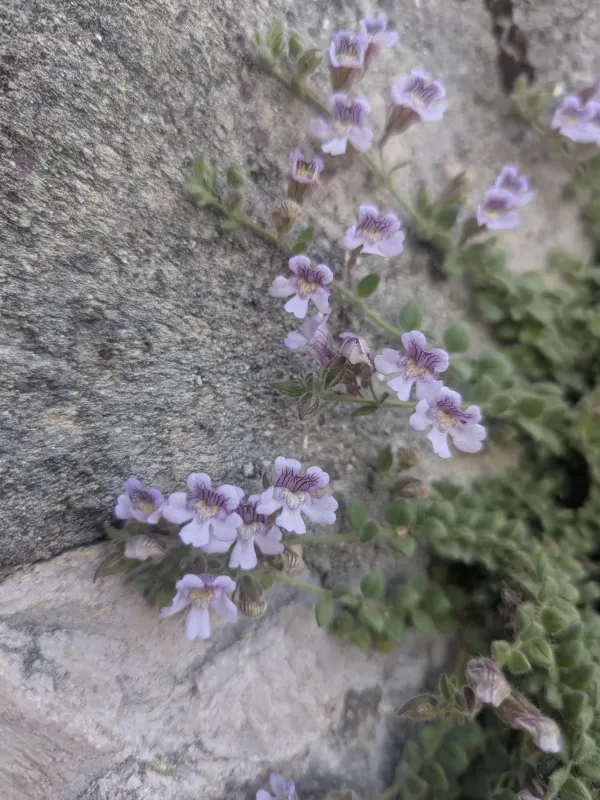
Hairy snapdragon (Chaenorhinum villosum) belongs to the Plantaginaceae family and is native to the rocky and stony terrains of the Mediterranean region. It is a perennial plant often prized for its creeping habit and delicate blossoms.
Botanically, the plant is characterized by its glandular, hairy stems that spread across the ground. The leaves are typically simple, arranged in a way that allows the plant to form dense mats, making it ideal for rock gardens or cliff-side landscaping.
Regarding soil requirements, this species demands exceptionally well-draining substrates. It thrives in stony, lime-rich, or sandy soils where water cannot accumulate near the root system, which is vital to prevent root rot.
Light requirements are significant; the plant is a sun-loving species. Full sunlight is necessary for the plant to maintain its compact growth form and to produce its characteristic, vibrant flowers during the blooming season.
In terms of climate, the hairy snapdragon prefers temperate conditions with mild winters. In areas that experience extreme cold, the plant may require winter protection or should be treated as an annual to ensure the survival of the planting site's aesthetics.
Main diseases and pests
The most common threat to the health of the hairy snapdragon is root rot, which is almost exclusively caused by poor drainage or excessive soil moisture. Maintaining a dry, airy environment around the base of the plant is the primary defensive measure.
Powdery mildew can affect the foliage if the plant is grown in areas with poor air circulation or high humidity. Providing adequate space between plants is an essential cultural practice to mitigate this risk.
Aphids represent a frequent pest, particularly in the spring when new, tender growth is abundant. These insects can weaken the plant and may also act as vectors for various plant viruses, necessitating timely intervention.
Spider mites can be problematic during hot, dry summer months. Their feeding causes the foliage to become discolored and may eventually lead to premature leaf drop if the infestation remains uncontrolled.
Slugs and snails often feed on the foliage of low-growing plants like the hairy snapdragon. Physical barriers such as crushed eggshells or specialized baits are effective in protecting the plant during the initial growth phase.