
Flax-leaved hedgehyssop
Gratiola linifolia
Description
Growing requirements
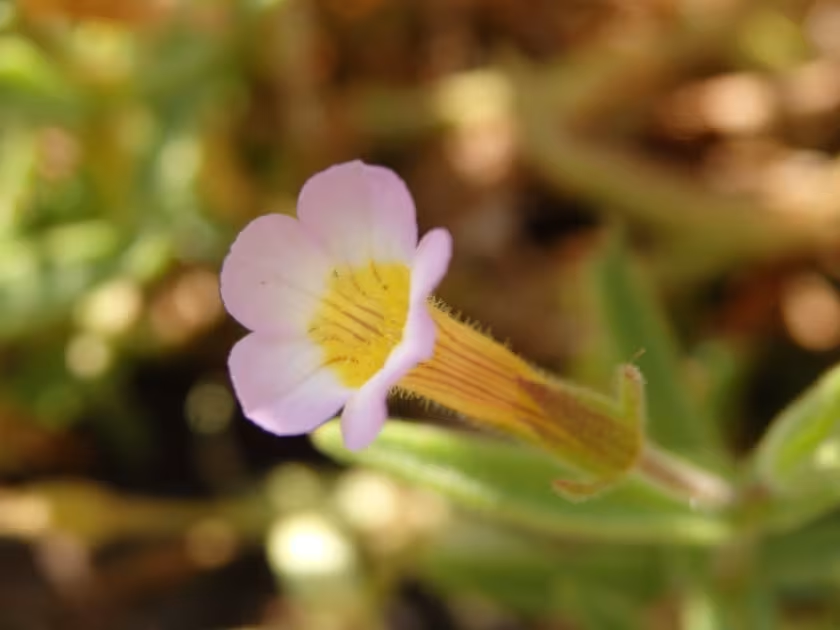
The flax-leaved hedgehyssop (Gratiola linifolia) is a perennial herbaceous plant belonging to the Plantaginaceae family. It is native to the western Mediterranean, with a distribution range primarily concentrated in the Iberian Peninsula.
This species is highly dependent on moist habitats. In agricultural settings, it thrives in water-saturated soils or along the banks of water bodies, reflecting its natural preference for marshy environments.
Climatic requirements involve moderate temperatures, as the plant is not frost-hardy and performs best in mild, Mediterranean-like conditions. Sufficient solar radiation is essential for healthy vegetative growth.
Soil structure should be organic-rich and maintained at a consistently high moisture level. Drainage management is not about removing water but ensuring that the substrate does not dry out during critical development stages.
The plant exhibits specific botanical characteristics, including lanceolate leaves and a growth habit adapted to riparian zones. It is typically managed in niche environments rather than as a broad-scale field crop.
Main diseases and pests
The primary threats to Gratiola linifolia include fungal pathogens that exploit the moist conditions and lack of air circulation around the lower portions of the plant.
Pests such as leaf-eating insects can pose a challenge in damp environments, potentially reducing the overall quality of the plant biomass during the growing season.
To maintain plant health, it is crucial to ensure adequate spacing between individual plants to prevent the buildup of humidity that favors disease development.
Monitoring programs should focus on early detection of chlorosis or leaf spots, which often serve as the first signs of root or foliage health decline.
Integrated pest management strategies for this species prioritize cultural control methods to avoid chemical contamination, especially if the plant is grown for medicinal purposes.