
Gratiola officinalis
Gratiola officinalis
Description
Growing requirements
Gratiola officinalis, commonly known as hedge hyssop, is a perennial herbaceous plant belonging to the Plantaginaceae family. It is naturally found in damp habitats, such as wetlands, riverbanks, and marshy meadows, across the temperate regions of Eurasia.
The crop has specific requirements for high soil moisture levels. It thrives in soils that remain consistently wet or swampy and prefers a neutral to slightly acidic pH. Drought stress significantly inhibits its growth and reduces the quality of the harvested biomass.
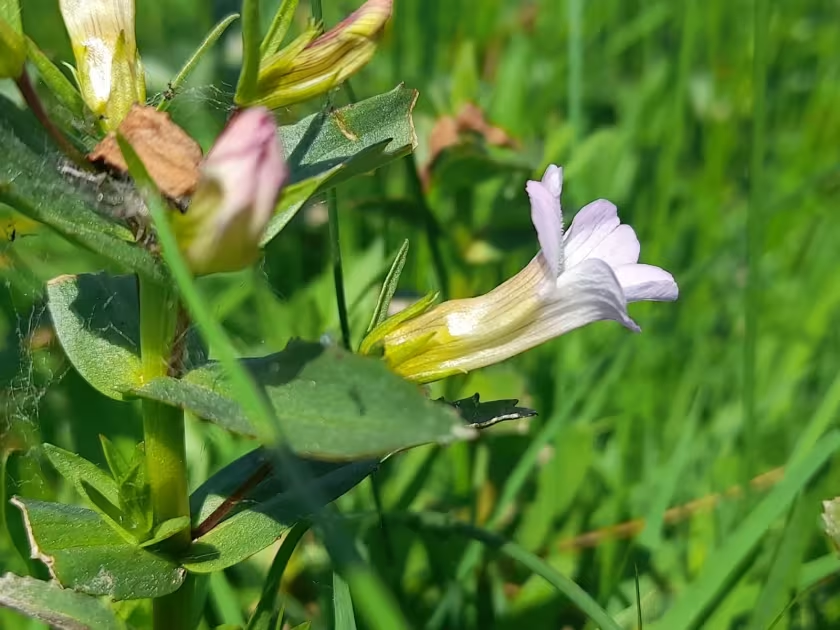
Botanically, it is characterized by creeping rhizomes and erect, unbranched stems growing up to 40 cm tall. The leaves are opposite and lanceolate, while the flowers are solitary, white or pale pink, often featuring distinctive purple veins within the corolla.
In terms of agricultural use, Gratiola officinalis is cultivated primarily for the pharmaceutical industry. It contains potent cardiac glycosides such as gratiolin, which necessitate careful handling and strictly regulated harvesting and drying processes.
Cultivation practices focus on maintaining a high water table and providing an environment free from competition. Propagation is typically achieved through the division of rhizomes, which ensures rapid establishment and maintains the genetic purity of the planting stock.
Main diseases and pests
Fungal diseases, especially root and stem rots, represent the most significant threat to the crop due to the high-moisture conditions required for growth. Proper field spacing and regular monitoring are essential to minimize the risk of pathogen spread.
Pests, particularly aphids and various defoliating insects, can impact plant vigor. Integrated pest management strategies, emphasizing the use of biological controls, are preferred to maintain the medicinal quality of the raw material harvested.
Weed control is a primary concern, as invasive aquatic or moisture-loving weeds can easily outcompete hedge hyssop. Mechanical weeding is the most common method to clear space for the crop without introducing chemical residues into the soil.
Nutrient deficiency or toxicity from mineral fertilizers can alter the plant's chemical profile. Therefore, producers are encouraged to use balanced organic composts to sustain soil fertility while ensuring the final product meets regulatory standards.
Climate change and unexpected dry spells require infrastructure for supplemental irrigation. Maintaining a stable environment is crucial, as fluctuations in moisture can trigger erratic growth patterns, negatively affecting the accumulation of active compounds.
Harvesting
Harvesting takes place during the peak flowering stage, when the concentration of cardiac glycosides in the aerial parts is at its maximum. Stems are cut carefully to ensure the rootstock remains intact for future regeneration.
The harvested material must be moved quickly to a processing site to prevent spoilage. Drying is conducted in well-ventilated, shaded environments at controlled temperatures to preserve the integrity of the active pharmacological ingredients.
Avoiding direct sunlight during the drying process is critical, as UV rays can lead to the degradation of essential plant metabolites. Properly dried material is characterized by its light green color and a bitter, distinct taste.
Storage must occur in dark, dry, and secure conditions. Due to the high toxicity of the plant when improperly used, packaging must be clearly labeled, and inventory must be separated from non-toxic herbal crops to ensure safety.
Consistent yield results from managed irrigation and effective weed management over the lifecycle of the planting. With proper care, a well-established plot of Gratiola officinalis can produce reliable harvests for several consecutive years.