
Hakusan plantain
Plantago hakusanensis
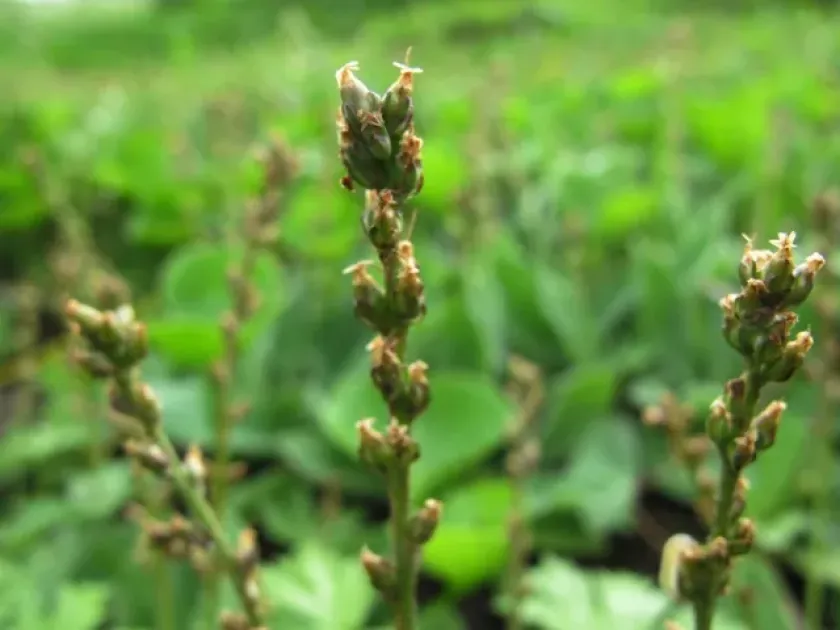
Description
Sowing dates
Hakusan plantain (Plantago hakusanensis) is a perennial herbaceous plant belonging to the Plantaginaceae family. Due to its specific ecological origins in the mountainous regions of Japan, the cultivation process requires careful attention to natural environmental triggers for germination.
Seeds should ideally be sown in late autumn or early spring to allow for natural stratification, which is essential for uniform germination. The growing medium must be loose, well-draining, and rich in organic matter to replicate the plant's native mountain habitat.
In a controlled environment, seedling trays are the most efficient method for initial propagation. This allows for better management of moisture levels and protects the delicate young plants from environmental extremes during the first few weeks of development.
Once the plants have reached the multi-leaf stage, they can be transplanted to their final location. Careful spacing is required to ensure adequate airflow, preventing the development of humidity-related issues that often plague alpine species when grown in low-altitude settings.
The timing of sowing must be synchronized with the arrival of stable, moderate temperatures. Rapid shifts in heat can inhibit initial root establishment, so using a nursery setup to harden off the seedlings before moving them to the field is highly recommended.
Growing requirements
This species thrives in cool, moist climates with moderate temperatures throughout the growing season. High humidity is beneficial, but it must be balanced with constant air movement to prevent the growth of mold and pathogenic fungi.
Soil requirements include a preference for light, aerated soil with a slightly acidic to neutral pH. Heavy, compacted soils will prevent proper root development and are likely to lead to rot, making soil amendment with organic matter essential for success.
Regarding light exposure, Hakusan plantain prefers partial shade or dappled sunlight. Intense, direct sunlight, particularly in mid-summer, can stress the plant, leading to leaf burn and reduced metabolic activity within the leaf tissue.
Watering must be frequent but careful. The soil should remain consistently moist to the touch but never waterlogged. Using soft, filtered, or rainwater is preferred, as high mineral content in tap water can lead to salt accumulation in the substrate.
The plant demonstrates good cold hardiness, reflecting its alpine roots. However, in regions prone to frost-heave or extreme winter winds, light mulching with organic material provides a necessary buffer to ensure the longevity of the perennial crown.
Yield
The yield of Hakusan plantain is primarily measured in terms of biomass — specifically the leaves collected for medicinal or cosmetic extract production. Productive output is closely tied to the age of the plantation and the quality of the soil nutrition provided.
Maximizing yield requires a focus on vegetative growth during the spring and early summer. Organic fertilization, applied sparingly, can enhance the development of the leaf rosette, ensuring a larger harvest volume per plant without sacrificing the quality of the phytochemicals.
Seed production is secondary to leaf harvest but represents a valuable commodity for propagation. Seed yield is dependent on successful cross-pollination, necessitating the presence of pollinators or hand-pollination techniques in more controlled setups.
A well-managed stand can reach peak productivity by its second or third year. After this point, careful rejuvenation of the soil and monitoring for plant density are required to prevent a drop in yield due to root congestion.
Economical efficiency is achieved by focusing on high-quality post-harvest processing. Because the market value is driven by the concentration of specific active compounds, the final yield is ultimately defined by the preservation of these substances through careful drying.
Main diseases and pests
Fungal diseases are the primary threat, specifically leaf spots and root rots caused by excess moisture and stagnant air. Maintaining proper spacing and removing lower, decaying leaves is a vital cultural control measure to minimize these risks.
Pests such as aphids and spider mites can infest the crop, especially in warm, poorly ventilated conditions. These insects target the young, tender foliage, directly affecting the plant's growth rate and overall health of the rosette.
Integrated Pest Management (IPM) is the best approach for this culture. By encouraging beneficial insects and utilizing bio-based sprays, growers can mitigate pest populations without the need for synthetic chemicals that would contaminate the harvest.
Weed control is critical during the establishment phase. Since Hakusan plantain is not an aggressive grower, manual weeding or careful mulching is required to ensure the plant has enough resources to compete for nutrients and light.
Regular inspection of the crop, particularly the underside of the leaves and the crown area, allows for early detection of problems. Addressing issues at the first sign of distress prevents the need for drastic interventions later in the season.
Harvesting
Harvesting should be performed with a sharp, clean knife to ensure precise cuts at the base of the rosette. Damaging the crown can prevent the plant from regrowing, so care is essential to ensure the longevity of the plantation.
The optimal time for harvest is early in the morning after dew has evaporated but before the heat of the day. This timing ensures that the essential compounds within the leaves are at their highest concentration, providing a higher quality product.
Immediately after collection, the leaves should be moved to a drying facility. Using low-temperature, forced-air drying allows for the rapid removal of moisture while preventing the degradation of heat-sensitive components through excessive thermal stress.
For seed collection, the flower spikes are gathered once they begin to turn brown. They are then placed in breathable containers to finish ripening, followed by mechanical threshing and cleaning to separate the seeds from debris.
Final storage must be in a cool, dark, and dry environment. Utilizing airtight containers prevents moisture re-absorption, ensuring that the harvested material maintains its chemical integrity and efficacy throughout its storage life.