
Gratiola japonica
Gratiola japonica
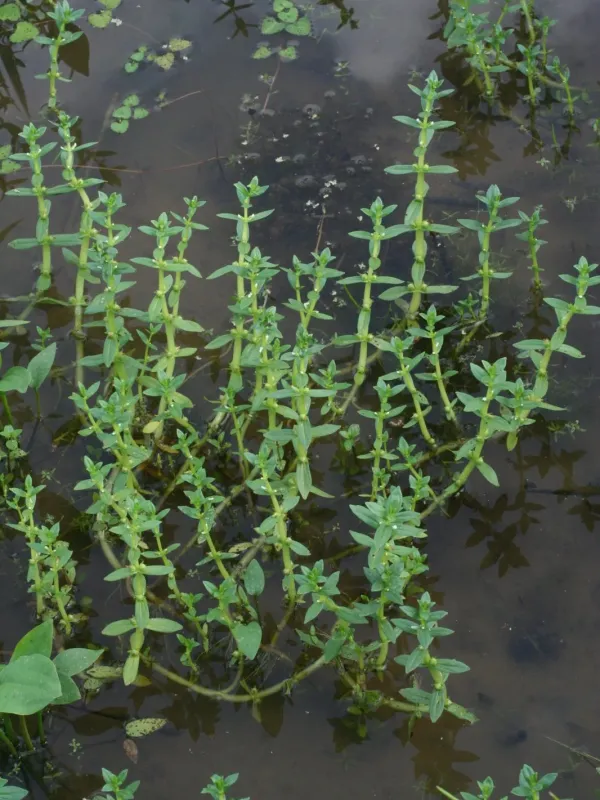
Description
Sowing dates
Gratiola japonica is an annual herbaceous plant that requires specific environmental conditions to germinate. The seeds typically sprout in the spring when water temperatures reach stable levels suitable for plant growth.
For agricultural purposes, seeds should be sown in a water-saturated substrate or on shallow wet beds. Because the seeds require light to germinate effectively, they must be sown on the surface and pressed gently into the soil.
The ideal sowing window is between late April and May. It is crucial to monitor local weather forecasts to ensure that no late frosts damage the young seedlings after they have emerged from the substrate.
Cold stratification of the seeds prior to planting is highly recommended to improve uniformity in germination. This practice helps ensure a dense and productive crop stand across the entire growing area.
Adequate moisture must be maintained immediately after sowing. If the soil surface dries out during this critical stage, the germination process will be severely interrupted or entirely halted.
Growing requirements
Belonging to the Plantaginaceae family, this species is a true hydrophyte. It thrives in wetland environments, such as rice paddies or marshy borders, where its roots are constantly submerged or in saturated soil.
Sunlight is a critical factor for the development of the plant. It requires high light intensity to support active photosynthesis and maximize biomass production throughout the short growing season.
The growing medium should be rich in organic matter and possess high water-holding capacity. A neutral to slightly acidic pH range is generally preferred for optimal nutrient uptake in this species.
Water quality is of paramount importance for the successful management of Gratiola japonica. The water should be free from excessive pollutants or high salinity levels that could inhibit plant growth.
Temperature management involves keeping the root zone from overheating. During intense summer heat, maintaining a consistent water level acts as a buffer, protecting the plant from thermal stress.
Main diseases and pests
The primary pests affecting this crop include leaf-chewing insects and various species of mollusks that inhabit aquatic or semi-aquatic environments. These pests can rapidly damage foliage and stunt plant growth.
Fungal diseases, particularly stem and root rots, are common when water circulation is poor. High humidity combined with dense planting makes the crop highly susceptible to rapid fungal spread.
Effective management includes thinning the plants to ensure better airflow and maintaining a flow-through water system to prevent stagnation. These practices are essential for preventing disease outbreaks.
Chemical control measures must be used with extreme caution to avoid disrupting the surrounding aquatic ecosystem. Biological control agents are preferred to maintain the ecological integrity of the planting site.
Prevention strategies should prioritize the use of pathogen-free seeds and the implementation of regular health checks for the crop. These measures significantly increase the overall resilience of Gratiola japonica.