
Hairy plantain
Plantago hirtella
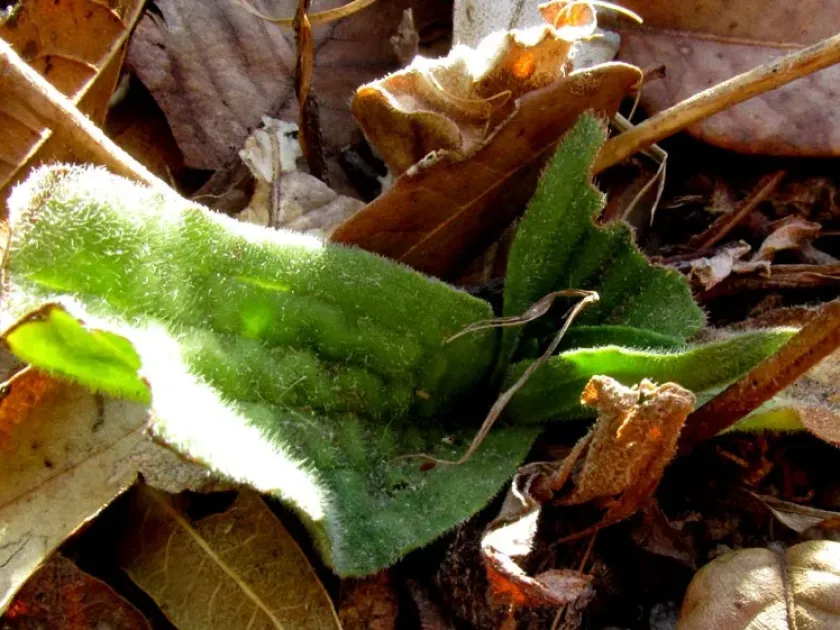
Description
Sowing dates
Hairy plantain (Plantago hirtella) is a perennial herbaceous plant belonging to the Plantaginaceae family, widely recognized for its agricultural and medicinal potential.
The sowing process begins in early spring, once soil temperatures have reached at least 10 degrees Celsius to ensure uniform and rapid germination of the seeds.
Seeds should be sown in rows spaced approximately 50 centimeters apart, allowing sufficient room for the basal rosette of leaves to expand fully during the growing season.
Due to the small size of the seeds, they should be covered with only a thin layer of soil, no more than 1 centimeter deep, to ensure optimal light exposure.
Providing a moist environment during the first three weeks post-sowing is crucial for establishment, especially in areas with sandy or quick-draining soil structures.
Growing requirements
Hairy plantain thrives in full sun exposure but is adaptable enough to tolerate partial shade, provided it receives sufficient light for consistent metabolic activity.
The ideal soil for this crop is a well-draining loam or sandy loam with a neutral pH, which prevents root rot and encourages healthy nutrient uptake.
Adequate water management is essential; while the plant is somewhat drought-tolerant, consistent moisture levels significantly improve both yield and foliage quality.
In terms of temperature, it exhibits good resistance to cold but benefits from mulch during winter months to protect the crown and root system from extreme freezing.
Effective weed control is a primary management requirement, as young hairy plantain seedlings are easily outcompeted by more aggressive invasive weeds.
Yield
The commercial yield of hairy plantain depends on the soil fertility levels and the frequency of foliage harvesting practiced throughout the vegetative period.
Well-managed fields can produce upwards of 2 tonnes of dry biomass per hectare when multiple harvest cycles are employed during the peak growing season.
Crop productivity generally peaks in the second and third years of life, after which the plant density often declines, requiring replanting or rejuvenation.
Seed yield varies significantly based on environmental conditions during the flowering phase, specifically temperature and humidity levels during pollination.
Yield stability is supported by organic fertilization, which enhances the soil microbial environment and stimulates vigorous regrowth after each cutting.
Main diseases and pests
The primary threats to hairy plantain include fungal leaf spots and mildew, particularly during seasons characterized by excessive humidity and poor air circulation.
Root-feeding pests, including larvae and wireworms, can undermine plant health in the early stages, leading to localized thinning of the crop stand.
Aphids occasionally infest the flowering stalks, necessitating careful monitoring to prevent damage that could impact seed production and plant vitality.
Preventative cultural practices, such as maintaining proper plant spacing and rotating crops, are far more effective than chemical treatments for this species.
Consistent field scouting allows for early detection of potential disease outbreaks, preventing significant losses that might occur if left unaddressed.
Harvesting
The harvesting of leaves should take place during the mass flowering period to ensure the highest concentration of active compounds within the foliage.
Mechanical harvesting is preferred for large-scale production, using adjustable equipment that leaves the root crown intact for future regrowth cycles.
Immediate post-harvest processing, including thorough cleaning and rapid drying in controlled environments, is essential to prevent degradation of quality.
Temperature control during the drying process is critical; keeping it below 45 degrees Celsius helps preserve the essential oils and medicinal properties of the leaves.
Final storage must occur in a cool, dark, and well-ventilated area to maintain shelf life and prevent moisture absorption or microbial spoilage.