
Breynia vitis-idaea
Breynia vitis-idaea
Description
Growing requirements
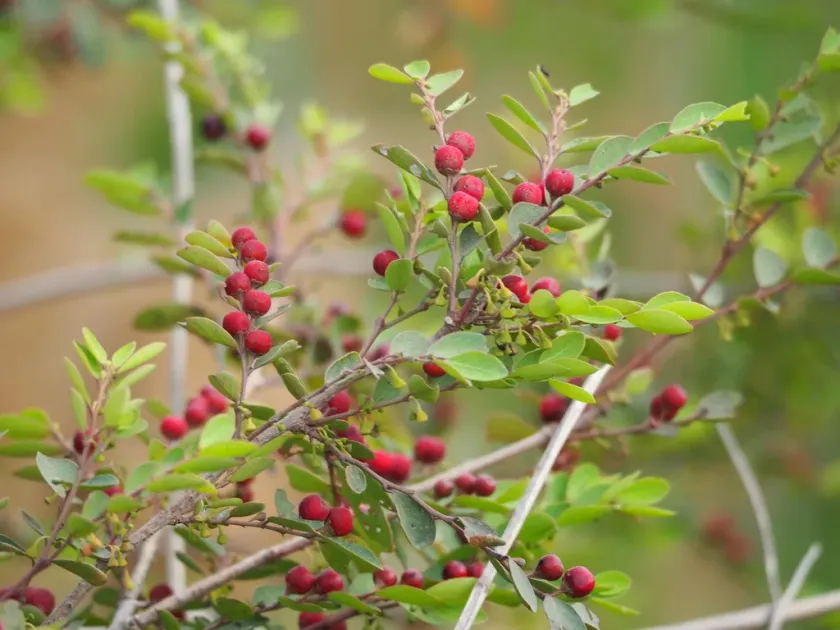
Breynia vitis-idaea is a decorative evergreen shrub belonging to the Phyllanthaceae family. Native to the tropical regions of Southeast Asia, this plant is valued for its unique foliage and elegant branching habit in indoor and conservatory settings.
The plant thrives in temperatures between 20°C and 25°C. It is highly sensitive to sudden thermal changes and cold drafts, which often lead to leaf abscission and a decline in the plant's overall health and aesthetic appeal.
It requires a well-draining, nutrient-rich potting mix with a slightly acidic to neutral pH level. Proper drainage is critical, as the roots are prone to suffocation and rot if kept in waterlogged conditions for extended periods.
High relative humidity, ideally above 70%, is essential for this species. In residential environments, placing the plant on a humidity tray or using a humidifier is necessary to maintain the vibrant color and health of the leaves.
Bright, indirect light is the best exposure for Breynia vitis-idaea. While it needs good light to maintain its growth, direct sunlight, especially during midday, can cause scorching and permanent damage to the delicate leaf tissue.
Main diseases and pests
Spider mites are the most common pests affecting this plant, especially in indoor environments with low humidity. Regular inspection of the undersides of the leaves is recommended to detect early signs of infestation and apply control measures.
Fungal issues, such as root rot and leaf spot, typically arise from poor cultural practices like overwatering or inadequate airflow. Maintaining a balance between soil moisture and substrate aeration is the key to preventing these diseases.