
Breynia racemosa
Breynia racemosa
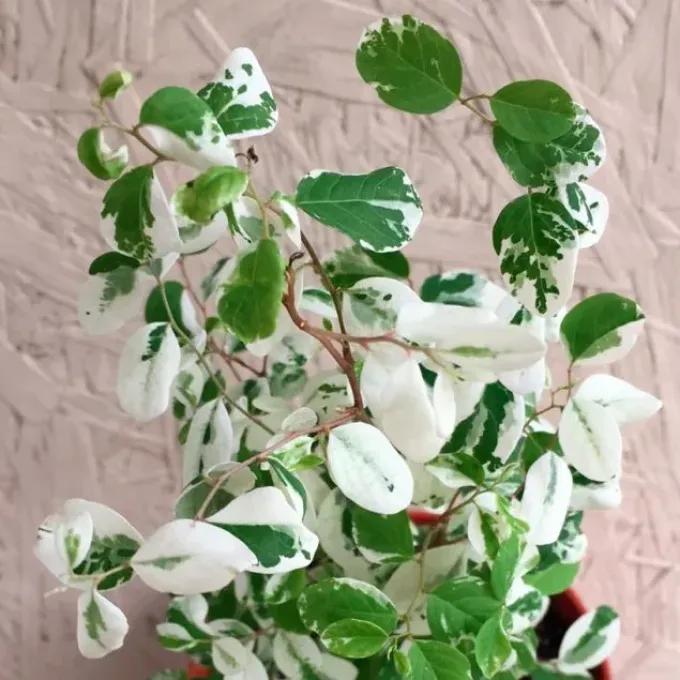
Description
Growing requirements
Breynia racemosa belongs to the Euphorbiaceae family and is native to the tropical regions of Southeast Asia. It is a perennial shrub that thrives in warm, humid environments with significant levels of indirect or filtered sunlight.
For successful cultivation, the plant requires well-drained, fertile soil rich in organic matter. Maintaining a slightly acidic to neutral soil pH is crucial to ensure optimal nutrient uptake and overall plant vigor.
Climatic requirements are strict, as the plant does not tolerate frost or extreme cold. It performs best in temperatures ranging from 20°C to 30°C, requiring high atmospheric humidity to prevent leaf dehydration.
Agronomic management includes regular irrigation to keep the root zone consistently moist but not waterlogged. Periodic fertilization with NPK fertilizers is recommended during the growing season to support lush foliage development.
The plant is primarily used in landscaping for its ornamental value in tropical gardens. It can also be utilized for hedge formation, provided it is pruned regularly to maintain its desired shape and density.
Main diseases and pests
Typical pests include spider mites and mealybugs, which are common in indoor or greenhouse settings where air humidity might fluctuate and airflow is restricted.
Root rot caused by fungal pathogens is the most significant threat to plant health, usually triggered by poor soil aeration or excessive irrigation practices.
Preventive pest control involves regular inspections and the application of horticultural oils or soaps if early signs of infestation are detected.
To avoid fungal outbreaks, it is essential to ensure proper spacing between individual plants and to maintain a clean environment, free of decaying plant debris.
Effective pest and disease management strategy relies on cultural control methods first, followed by targeted application of biological or chemical agents only when necessary.