
Breynia retusa
Breynia retusa
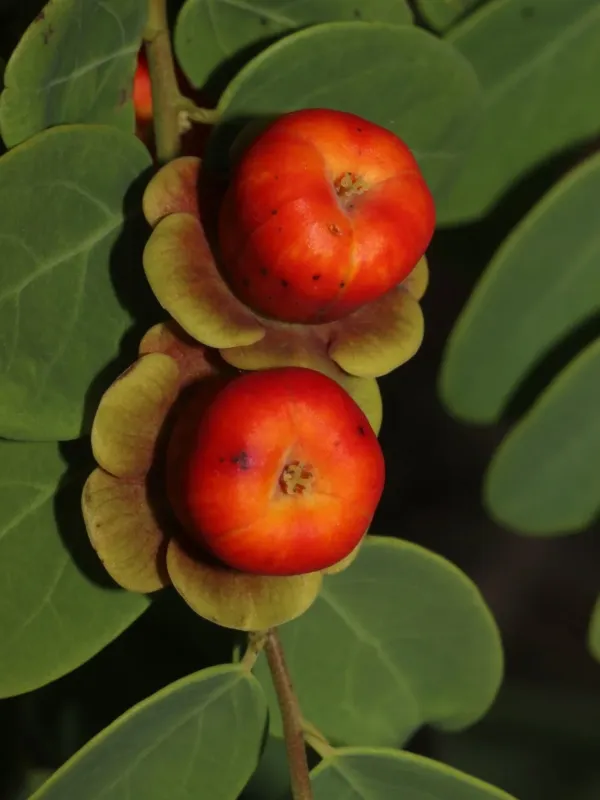
Description
Growing requirements
Breynia retusa is a perennial shrub belonging to the Phyllanthaceae family. This plant is native to tropical and subtropical regions of Asia, primarily found in India, Sri Lanka, and Southeast Asian nations where the climate remains warm throughout the year.
The plant thrives in regions with stable temperatures, ideally between 20 and 30 degrees Celsius. It requires high humidity levels and protection from cold winds or frost, which can cause significant damage to its foliage and overall development.
Cultivation requires fertile, well-draining soil with a neutral to slightly acidic pH level. Proper drainage is crucial, as Breynia retusa is highly susceptible to root rot if the soil remains constantly waterlogged or poorly aerated.
Agronomic management involves consistent irrigation, ensuring the root ball remains moist but never saturated. During the active growing season, applying balanced fertilizers promotes lush leaf development and enhances the plant's resistance to environmental stress.
Propagation is commonly achieved through semi-hardwood cuttings planted in a light, moist medium under controlled conditions. This method allows for the establishment of a robust root system before transplanting the shrub to its permanent location.
Main diseases and pests
Common pests associated with Breynia retusa include spider mites and scale insects. These pests often appear when the plant is kept in dry, stagnant air conditions, quickly saping its vitality if left unmanaged.
Fungal pathogens may target the root system or leaves if environmental humidity is too high without proper ventilation. Symptoms often include yellowing, wilting, or the appearance of necrotic spots on the foliage, necessitating prompt remedial action.
Integrated Pest Management (IPM) practices, including the removal of dead leaves and regular monitoring, are the most effective ways to prevent major infestations. Maintaining good air circulation is key to suppressing fungal growth.
Chemical intervention should be considered a last resort. If necessary, horticultural oils or appropriate insecticides should be applied carefully to ensure they do not damage the plant's delicate leaf tissue during treatment.
Regular inspection of the plant's canopy and soil health helps identify threats at an early stage, ensuring the plant retains its aesthetic appeal and continues to thrive throughout the year.
Harvesting
The economic use of Breynia retusa mainly focuses on the harvest of leaves and bark, which have traditional applications in local medicine and indigenous practices in its native ranges.
Harvesting should be done using sharp, sanitized tools to prevent mechanical damage and infection. It is best performed in the morning when the plant tissues are turgid and the secondary metabolites are most concentrated.
Post-harvest processing involves air-drying the collected material in a shaded, well-ventilated area. This prevents the degradation of chemical compounds caused by intense sunlight and heat exposure during the drying process.
Proper storage involves keeping the dried leaves in opaque, airtight containers away from humidity. This practice preserves the structural integrity and potency of the botanical material for extended periods.
Sustainable harvesting techniques must be applied to ensure the plant remains productive. Over-harvesting can weaken the bush, so selective pruning and allowing for recovery periods are essential for maintaining a healthy population.