
Seymeria cassioides
Seymeria cassioides
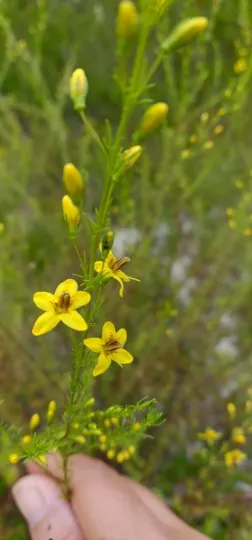
Description
Sowing dates
Seymeria cassioides is an annual herbaceous plant classified within the Orobanchaceae family. Known in some regions as black senna, this plant is notable for its hemi-parasitic nature, requiring a suitable host plant to thrive.
The life cycle begins with seed germination in the spring, triggered by specific environmental conditions. Being a root parasite, the seeds must be positioned near the root system of a host plant, typically a pine tree, to initiate the parasitic connection.
While not a traditional agricultural crop, understanding its life cycle is essential for ecological research. Seeds remain viable in the soil for several seasons, waiting for the correct chemical stimuli from host roots before they break dormancy.
Biological development involves the rapid formation of haustoria, which are specialized organs used to extract water and nutrients from the host. This process is highly efficient and determines the success of the plant's development during the warm season.
The plant grows its vertical shoots once the connection to the host is established. This growth is relatively quick, allowing the plant to reach its reproductive stage and produce a significant amount of seed within a single growing season.
Growing requirements
Seymeria cassioides requires specific soil conditions, typically favoring sandy, acidic, and well-drained substrates. It is most commonly associated with pine-dominated ecosystems where soil nutrients are naturally low.
A crucial requirement is the presence of an appropriate host species, primarily members of the Pinus genus. Without a reliable host, the seedling will exhaust its internal energy reserves and fail to mature into an adult plant.
Climate preferences include regions with warm and humid summers, providing enough moisture to keep both the host plant and the parasite healthy. It is not adapted to regions with extreme, prolonged droughts that threaten host stability.
Light availability is another key factor for successful growth. The plant is heliophilic, meaning it prefers locations with plenty of direct sunlight or light canopy cover to support its photosynthetic activities and overall development.
Soil disturbance should be minimal to protect the complex root interactions occurring underground. Areas with natural fire regimes often support healthier populations of this plant, as fire clears competing vegetation and prepares the soil.
Main diseases and pests
The primary threat to Seymeria cassioides is habitat loss due to land development and forestry practices. The removal of host pine trees directly eliminates the necessary foundation for the plant's survival.
Fungal pathogens pose a significant risk, especially during periods of excessive rainfall or poor drainage. These infections can attack the roots and haustoria, effectively starving the plant by severing its connection to the host.
Herbivores may target the plant, although its chemical composition often serves as a natural deterrent against many generalist insects. Specialized feeders, however, can impact plant health during the flowering stage.
Chemical pollutants and the drift of herbicides from nearby agricultural sites can unintentionally harm this species. Because it relies on sensitive root connections, any alteration in soil chemistry can lead to developmental failure.
Lack of ecological management is also a concern. In the absence of natural disturbances like periodic controlled burns, invasive plants can outcompete Seymeria, changing the local ecosystem structure and reducing light availability.