
Seymeria pectinata
Seymeria pectinata
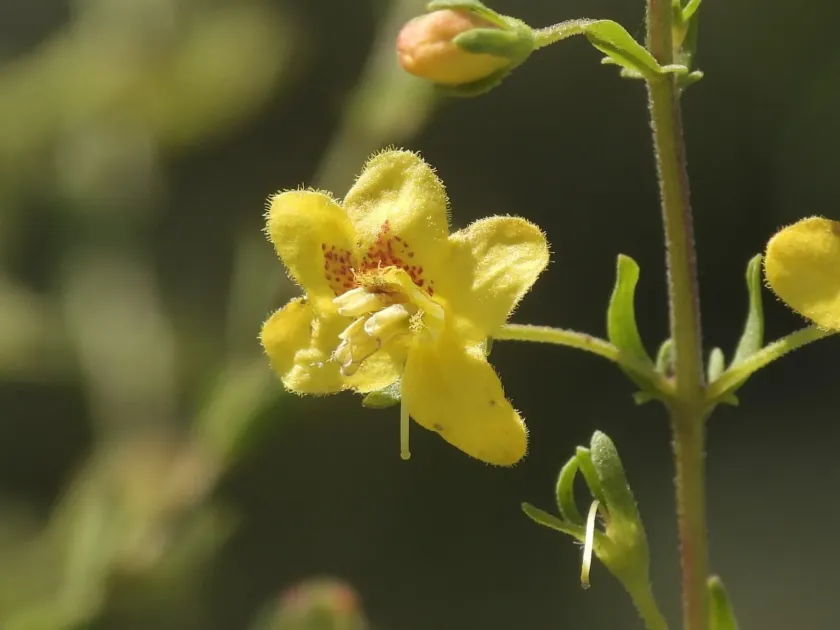
Description
Sowing dates
Seymeria pectinata is a hemiparasitic plant, which makes its cultivation significantly different from standard crops. Its life cycle is physiologically dependent on the presence of specific host plants to which it attaches its roots.
Successful germination requires a period of stratification. Seeds should be sown in the autumn, allowing them to experience a natural cycle of cold temperatures, which breaks dormancy and triggers growth in the spring.
Sowing depth must be very shallow due to the small size of the seeds. A light covering of soil or sand is sufficient to keep them in place while ensuring they receive enough light to trigger the physiological responses required for development.
The choice of location is critical; sowing should occur in areas where suitable host plants are already established. Without a connection to the host's root system, the seedlings will likely perish shortly after emergence.
It is essential to mimic natural conditions, spreading seeds in late summer or autumn. This aligns with the natural seed dispersal mechanism of the plant in its native habitats.
Growing requirements
The plant thrives in well-drained soils, particularly those with a sandy texture. Poor drainage is a significant limiting factor, as waterlogged conditions increase the risk of root pathogens and interfere with the attachment process.
Full sun exposure is required for healthy growth. Seymeria pectinata is highly sensitive to shading, which reduces its vigor and inhibits the development of its characteristic bright flowers during the summer months.
Climatic requirements focus on temperate to subtropical conditions. The plant has developed adaptations to survive moderate heat, though it prefers consistent moisture levels during the active vegetative growth period.
Soil nutrient levels are of secondary importance because the plant extracts the majority of its essential minerals and carbohydrates directly from its host. Therefore, fertilizers are rarely needed and may even be counterproductive.
The ecological context is vital, as the density of the host plant population determines the overall success of the Seymeria colony. A healthy, diverse plant community serves as the best environment for this species.
Main diseases and pests
Root rots are the most common threat, often resulting from excessive soil moisture. These infections can quickly sever the delicate vascular connection between the parasite and its host, leading to rapid plant decline.
Insects like aphids can colonize the stems and floral structures. Their feeding activity drains vital resources and may introduce viral diseases that further stress the host-parasite complex.
Weed competition is a severe issue during the establishment phase. Invasive species that grow faster can easily shade out the seedlings of Seymeria pectinata, preventing them from establishing the initial parasitic bond.
Environmental fluctuations, such as unusually hard frosts without protective cover or prolonged drought periods, can cause significant damage to the floral structures and reduce the viability of the seeds produced.
- Root rot pathogens triggered by damp soil.
- Infestations of aphids on inflorescences.
- Severe competition from invasive weeds.
- Impact of extreme weather on seed production.