
Pink cow-wheat
Melampyrum roseum
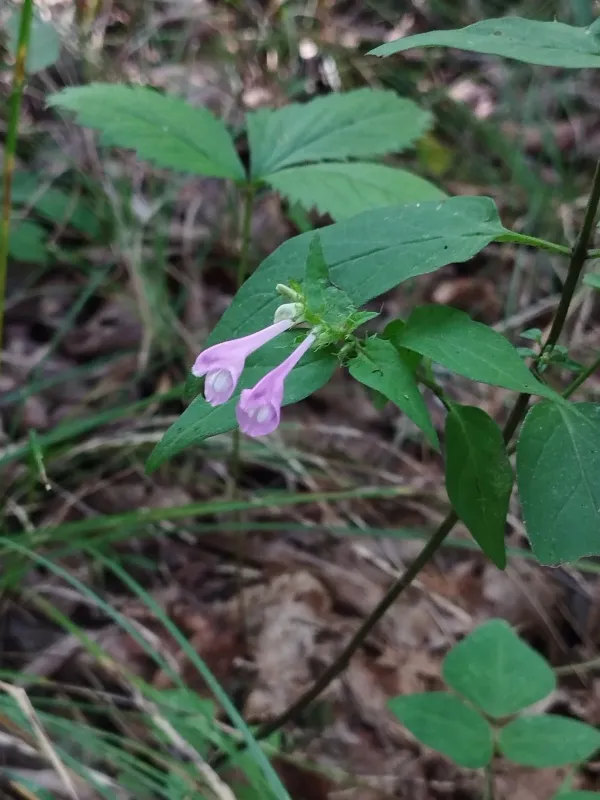
Description
Growing requirements
Pink cow-wheat (Melampyrum roseum) is an annual herbaceous plant belonging to the Orobanchaceae family. It is classified as a hemiparasite, meaning it derives part of its nutritional requirements by attaching to the roots of host plants via specialized structures called haustoria.
Native to the regions of East Asia, including China, Korea, and the Russian Far East, this plant typically inhabits forest margins, clearings, and semi-shaded environments. It is well-adapted to habitats with moist, nutrient-rich soil conditions.
The soil requirements involve moderate acidity and high humus content, which supports the healthy development of both the host and the parasite. Adequate drainage is essential to prevent root rot during periods of high precipitation.
Climatic preferences include temperate conditions with sufficient ambient humidity. The seeds of this species require a natural cold stratification process during winter months to break dormancy and ensure successful germination in the following spring.
Successful cultivation depends significantly on the availability of suitable host plants in close proximity. The spatial arrangement of the crops must consider the interaction between the root systems of the cow-wheat and its donors to ensure survival.
Main diseases and pests
Common threats to the health of Melampyrum roseum include fungal infections such as root rot and powdery mildew, which thrive in stagnant water or high-humidity environments. These pathogens can compromise the plant's ability to extract nutrients.
Pests like aphids and spider mites are frequent threats, targeting the plant's foliage. These sucking insects can significantly weaken the plant, reducing its vigor and impacting the overall quality of the crop.
Soil-borne pests and larvae can also inflict damage on the root system, which is especially critical for a hemiparasitic plant. Preventive monitoring is necessary to identify signs of stress early in the growth cycle.
Cultural control measures, such as ensuring proper plant spacing and airflow, are effective strategies to mitigate the spread of disease. Avoiding over-fertilization with nitrogen is also recommended to prevent succulent growth that attracts pests.
Integrated pest management (IPM) practices should be used, emphasizing biological control agents over heavy chemical applications. Maintaining overall field sanitation helps to disrupt the life cycles of most common pathogens and insects.