
Polish cow-wheat
Melampyrum polonicum
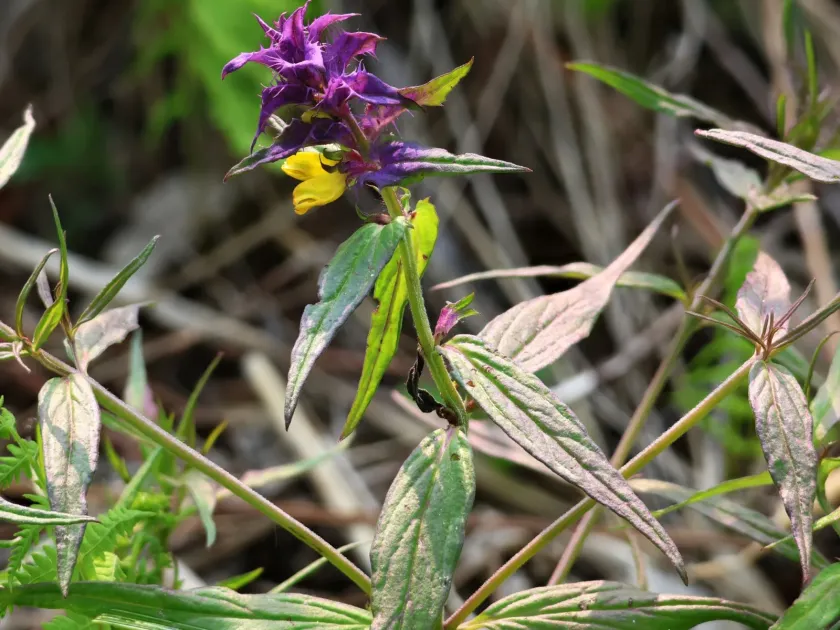
Description
Growing requirements
Polish cow-wheat (Melampyrum polonicum) is an annual herbaceous plant belonging to the Orobanchaceae family. It is recognized as a facultative hemi-parasite, capable of performing photosynthesis while simultaneously extracting nutrients from the root systems of host plants.
The plant is native to Eastern Europe, typically found in meadow zones, forest margins, and light woodlands. It thrives in environments where there is a diverse composition of vegetation, allowing it to establish the necessary root connections.
Botanically, it is characterized by its ability to produce haustoria, specialized appendages that penetrate the roots of nearby grasses. This unique mechanism allows the plant to supplement its water and mineral uptake effectively.
Regarding climate and soil, the species prefers temperate conditions with moderate rainfall. It requires well-drained, slightly acidic to neutral soil and performs poorly in waterlogged or overly compacted ground conditions.
Successful growth of Melampyrum polonicum relies heavily on the presence of appropriate host plants. In an agricultural or experimental setting, it is essential to ensure that the surrounding flora can support its parasitic life cycle without causing excessive competition.
Main diseases and pests
The primary threats to this plant are habitat loss due to land development and changes in land use that disrupt the stability of natural meadow ecosystems.
Diseases such as powdery mildew and various fungal rusts pose a constant threat, especially during seasons with high humidity and insufficient air circulation around the plants.
Common pests include aphids and larvae of various butterfly species that feed on the soft, succulent leaves. These pests can rapidly colonize populations and significantly reduce the photosynthetic capacity of the plants.
Chemical control, specifically the use of herbicides, is a major threat to the population. As a delicate hemi-parasite, it lacks the resilience to survive common agrochemical interventions used in intensive crop production.
Competition from invasive plant species can also lead to the decline of Polish cow-wheat, as it may be outcompeted for sunlight and space, hindering the establishment of its crucial root connections with suitable hosts.