
Phtheirospermum japonicum
Phtheirospermum japonicum
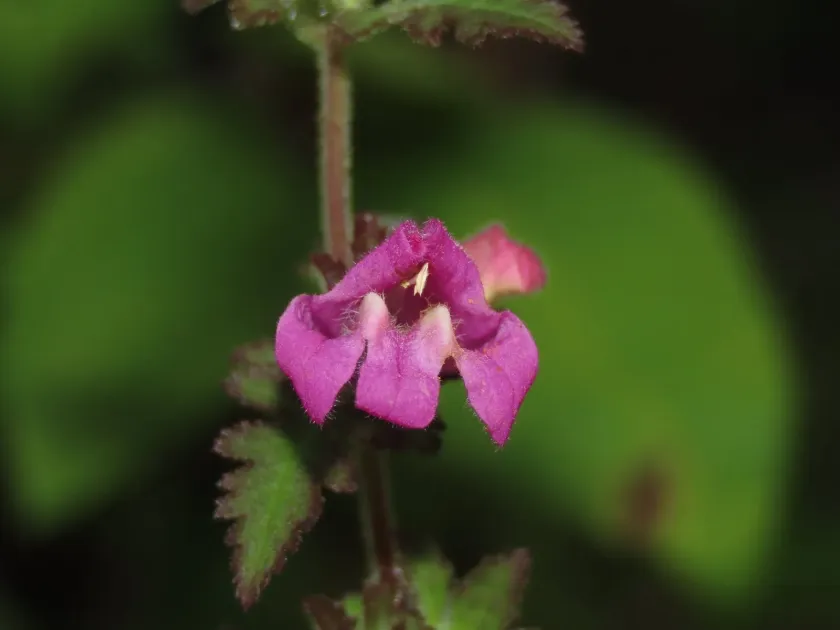
Description
Sowing dates
Phtheirospermum japonicum is an annual herbaceous plant that relies on a specific life cycle to complete its development. Seeds require cold stratification before germination, mimicking the natural winter conditions of its native habitat.
The sowing process is typically conducted in mid-spring, once soil temperatures stabilize above 15 degrees Celsius. Precise timing is essential to ensure that the emergence of the parasite aligns with the root development of the host plant.
Seeds are broadcast or sown at a very shallow depth, barely covered by soil particles. This is crucial because the tiny seeds contain limited energy reserves, making deep planting an immediate cause of seedling mortality.
Successful germination relies heavily on the presence of chemical signals released by the host plant's roots. Without these biological triggers, the germination rate remains significantly low in controlled environments.
Field sowing techniques often involve the use of companion crops, which serve as hosts. This symbiotic-like arrangement allows the seedlings to establish haustoria quickly, ensuring long-term viability throughout the growing season.
Growing requirements
As a member of the Orobanchaceae family, this species is categorized as a hemiparasite. Unlike obligate parasites, it retains functional chlorophyll and performs photosynthesis while extracting water and minerals from the host.
The ideal soil conditions include well-aerated, loose, and slightly acidic substrate. Proper drainage is a key requirement, as waterlogged conditions lead to rapid root rot and the failure of the plant to attach itself to the host.
Environmental conditions should match temperate forest or meadow climates. Moderate temperatures and consistent air humidity are vital for the plant to maintain its metabolic functions during the peak of the summer heat.
Light exposure must be sufficient to support photosynthetic activity. Although it obtains nutrients from its host, the plant requires significant sunlight to maintain its structural integrity and produce seeds.
Mineral fertilization is generally avoided in intensive research settings, as it can disrupt the natural parasitic relationship. Over-fertilization may lead to the parasite ignoring the host, which is counterproductive to its biological development.
Main diseases and pests
Pathogenic soil fungi, such as Fusarium species, represent the primary threat to the crop. These pathogens exploit the root-attachment site, leading to the rapid decay of the vascular connections between the parasite and the host.
Insect pests, specifically aphids and thrips, frequently target the succulent stems and leaves during the flowering stage. These pests cause stunted growth and significantly decrease the production of viable seeds.
Viral infections transmitted by sap-sucking insects are particularly dangerous. They can induce systemic chlorosis and prevent the plant from developing a functional haustorium, effectively terminating the parasitic life cycle.
Weed competition is a major obstacle during the seedling phase. Weeds can easily outcompete the slow-growing Phtheirospermum japonicum for sunlight and physical space, depriving it of the environment necessary to locate a host root.
Failure to locate a host root within the critical window of development leads to rapid physiological decline. If the plant does not attach within the first few weeks, it will inevitably perish due to energy exhaustion.