
Godetia tenuifolia
Godetia tenuifolia
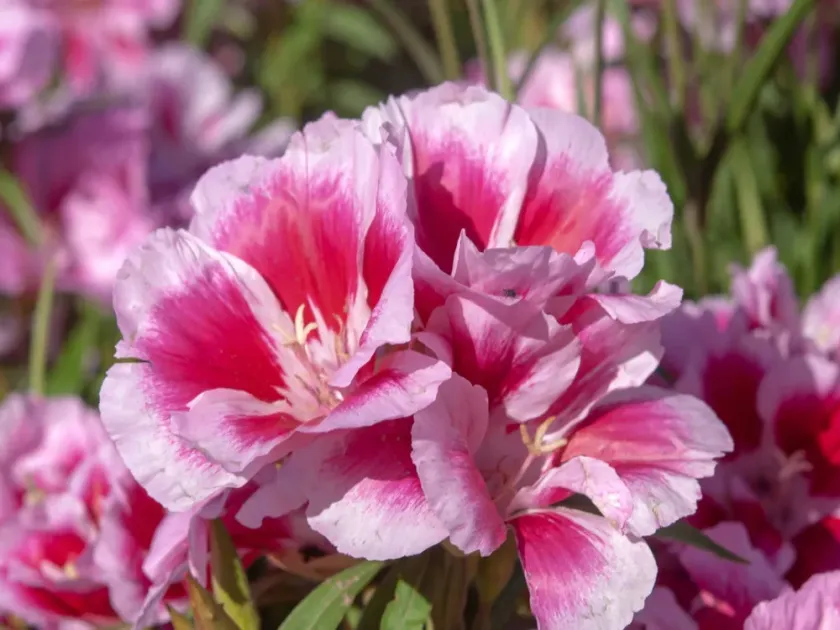
Description
Sowing dates
Godetia tenuifolia is typically grown as an annual flowering plant. Sowing can be performed directly into open ground in early spring, once the danger of severe frost has passed and soil temperatures reach at least 10 degrees Celsius.
For an earlier blooming period, starting seeds indoors in late winter is a standard practice. Use seed trays or peat pots, as the seedlings of this species are sensitive to root disturbances during transplantation and often suffer from shock.
Seeds are very small and require light for germination; therefore, they should not be buried deep. Instead, lightly press them onto the surface of the soil and keep the environment consistently moist until the first true leaves emerge.
Thinning the seedlings is crucial to prevent overcrowding. Ensure a space of at least 20 to 30 centimeters between mature plants to allow for proper air circulation, which is essential to prevent fungal outbreaks during humid periods.
When sowing in autumn in milder climates, provide a thin layer of mulch to protect the seeds from extreme winter fluctuations. This encourages early germination in spring and results in a more robust and longer-lasting display of flowers.
Growing requirements
Belonging to the Onagraceae family, Godetia tenuifolia thrives in full sun exposures. It is native to temperate regions and prefers cool, well-drained locations that provide shelter from strong, drying winds that can easily snap its slender stems.
The ideal soil is sandy or loamy, rich in organic matter, and possessing neutral to slightly acidic pH levels. Excessive moisture retention in heavy clay soils is a major cause of root failure and plant decline throughout the season.
Watering should be balanced; while the plant requires consistent moisture to develop its lush foliage and flowers, it should never remain in waterlogged conditions. Drip irrigation is often the best method to keep the foliage dry and healthy.
Fertilization should be focused on phosphorous and potassium to support the flowering stage. Excessive nitrogen should be avoided, as it leads to rank, weak growth that is prone to lodging and susceptible to various fungal pathogens.
Temperature management is key; the plant performs best in cooler summer conditions. In extremely hot and arid regions, afternoon shade can help extend the flowering season and keep the plant from entering premature dormancy.
Main diseases and pests
Aphids are the most common pests affecting Godetia tenuifolia. They cluster on the undersides of leaves and on developing flower buds, causing deformation and stunted growth. Frequent monitoring and timely intervention are necessary to control these populations.
Fungal pathogens such as powdery mildew are significant threats, especially in areas with poor ventilation. The appearance of a dusty white coating on leaves necessitates the use of fungicides and an immediate improvement in air movement around the plants.
Root rot caused by Phytophthora or Pythium species is common if the soil remains excessively damp. Ensuring superior drainage and avoiding over-watering are the primary methods for preventing these soil-borne diseases in the garden.
Slugs and snails can also cause damage to young seedlings. Using physical barriers or organic bait methods is recommended to protect the tender growth before the plant reaches a more mature and resilient stage.
Viral infections can sometimes occur, leading to mottled foliage and poor growth. These are often spread by insect vectors, so controlling the population of aphids and thrips is an effective strategy to keep the garden healthy overall.
Harvesting
As an ornamental plant, there is no agricultural harvest of Godetia tenuifolia for yield purposes. However, "deadheading" or removing faded blooms is a vital maintenance step that directs energy back into the plant, encouraging a second flush of flowers throughout the growing season.