
Triclisia dictyophylla
Triclisia dictyophylla
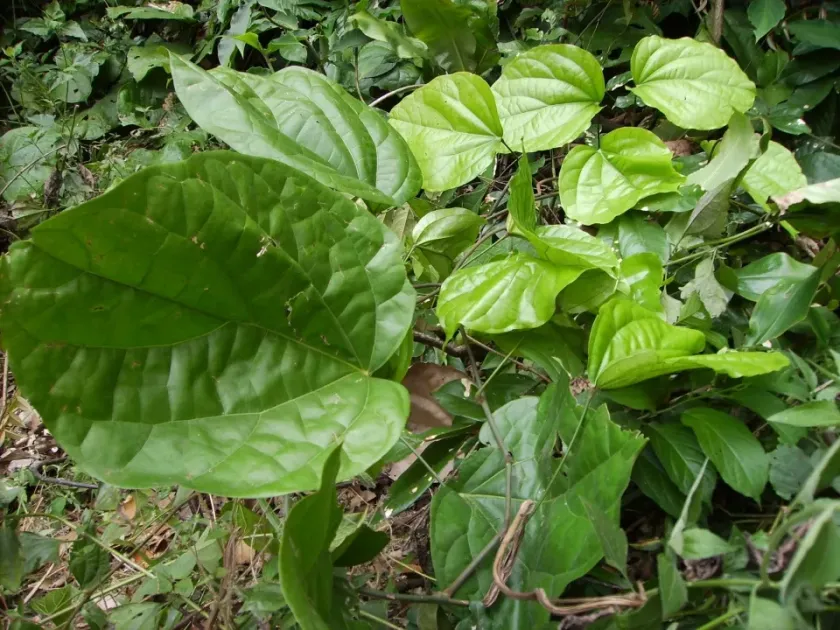
Description
Growing requirements
Triclisia dictyophylla is a woody climber belonging to the Menispermaceae family. It is native to the tropical forests of West and Central Africa, where it thrives in humid, shaded environments.
The plant requires deep, fertile, and well-drained soils rich in organic matter to support its vigorous vegetative growth. It is primarily adapted to the understory conditions of tropical rainforests.
Environmental conditions must remain stable with temperatures ranging between +22°C and +30°C. The species is highly frost-intolerant and requires protection from any sudden drops in temperature.
Adequate moisture is essential for this culture. It requires high humidity and consistent rainfall or irrigation to maintain turgor pressure and support nutrient uptake in tropical soil conditions.
Economically, the plant is harvested for its root bark and stems, which are highly valued in traditional medicine for their alkaloid content. Commercial cultivation is still in its infancy and faces challenges in standardization.
Main diseases and pests
Root rot pathogens, such as Phytophthora, are the primary biological threats to the cultivation of Triclisia dictyophylla, especially in poorly drained soil substrates.
Leaf-eating insects pose a constant threat to the foliage, which is vital for the plant's photosynthetic capacity. Integrated pest management is recommended to prevent infestation outbreaks.
Nematode populations in the rhizosphere can negatively impact nutrient absorption and overall vigor of the plant, requiring careful soil monitoring.
Over-harvesting of the stems and roots poses a significant threat to the long-term sustainability of the wild population of this medicinal plant.
Fungal infections of the bark, occurring after improper harvest techniques, can lead to secondary necrosis, necessitating education for local harvesters on sustainable methods.