
Triclisia subcordata
Triclisia subcordata
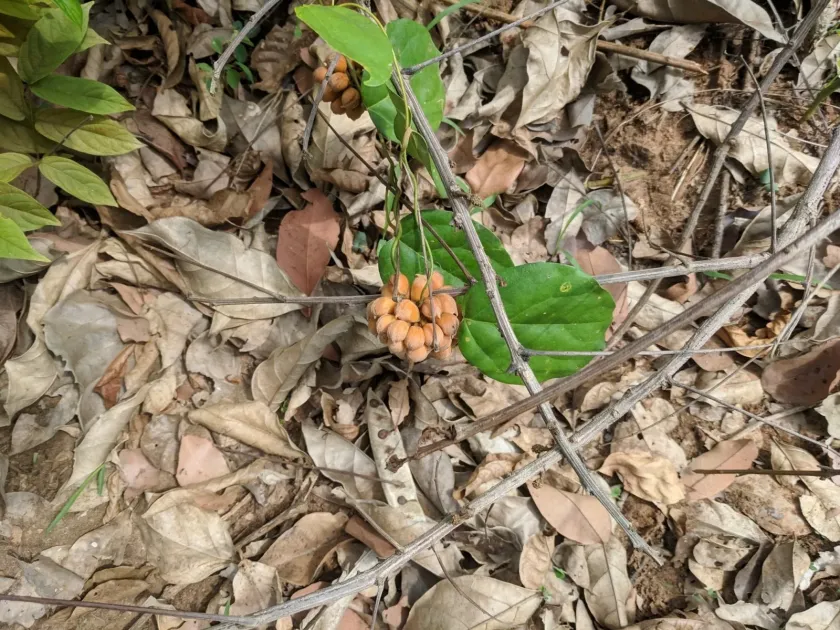
Description
Growing requirements
Triclisia subcordata is a woody climbing vine belonging to the family Menispermaceae. It is native to the tropical forests of West and Central Africa, where it thrives in the dense undergrowth.
The plant requires a humid tropical climate with consistent high temperatures throughout the year. It performs best in nutrient-rich, well-drained soils, typically found in shaded environments that mimic its natural habitat.
Botanically, it is known for its sturdy, woody stems and heart-shaped, alternate leaves. The plant possesses a unique phytochemical profile, containing various alkaloids that are of significant interest in pharmacological research.
Its primary economic use is in traditional medicine. Various parts of the plant, including the bark and roots, are used to treat a wide range of ailments, from malaria-like symptoms to inflammatory conditions.
Cultivation of this species is largely based on forest management practices. Due to its slow-growing nature and specific environmental needs, it is often collected from the wild, though interest in sustainable plantation farming is increasing.
Main diseases and pests
Fungal infections of the root system represent a major threat to the survival of Triclisia subcordata, particularly in regions with poorly drained soil. Excessive humidity often facilitates the spread of rot-inducing fungi.
Pests such as aphids and scale insects are common in young plantings. By feeding on the phloem of the young shoots, these insects weaken the vine and make it more susceptible to environmental stressors.
Environmental degradation and habitat loss are major threats to the natural population density. Over-harvesting of the bark can kill established plants, necessitating the implementation of strict collection protocols.
Weed competition in the early stages of growth can significantly stunt the vine. Without proper support structures or regular maintenance, the plant may fail to reach the canopy light levels required for optimal development.
Currently, there are no widespread commercial pesticides tailored for this specific species. Integrated pest management, focusing on biological controls and maintaining ecosystem balance, remains the best approach for long-term health.