
Calycocarpum lyonii
Calycocarpum lyonii
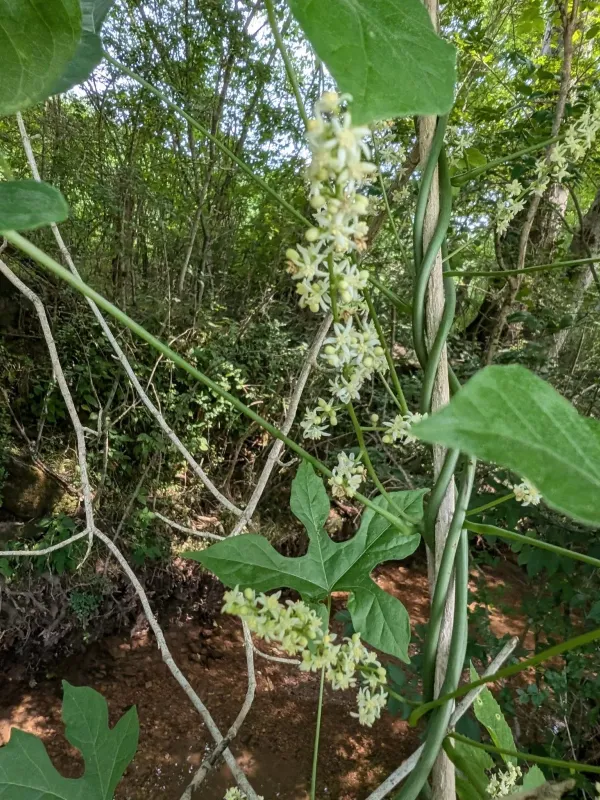
Description
Sowing dates
Calycocarpum lyonii, a woody climbing vine, is typically propagated via seeds, which require stratification to break dormancy. Seeds should be sown in autumn for winter stratification or stored in cool conditions before spring planting.
When sowing in spring, it is essential to ensure that seeds have undergone cold treatment to mimic natural cycles. A temperature range of 18–22 degrees Celsius is optimal for germination.
Propagation through cuttings is also feasible. Semi-hardwood cuttings collected in early summer are preferred, as they root more readily with the application of appropriate rooting hormones.
Transplanting to a permanent site should occur only after the risk of frost has passed. Incorporating organic matter into the planting site ensures better root establishment.
Because the plant is a vigorous climber, providing sturdy structures or trellises is essential from the outset to allow the vine to climb vertically as it matures.
Growing requirements
Belonging to the Menispermaceae family, Calycocarpum lyonii is native to the woodlands and floodplains of North America. It thrives best in rich, moist, well-draining soils with a neutral pH.
The vine prefers a position in full sun to partial shade. While it can adapt to light shade, excessive darkness will reduce growth rates and foliage density significantly.
Consistent soil moisture is critical for this species. During dry summer periods, deep and regular watering is necessary to prevent the leaves from wilting and the plant from entering stress.
Protection from strong winds is highly recommended, as the plant's delicate vines and leaves can be damaged by mechanical stress during storms or gusty weather.
Applying a layer of mulch around the base helps maintain steady soil moisture levels and prevents extreme temperature fluctuations that could harm the root system.
Main diseases and pests
While generally hardy, Calycocarpum lyonii may become susceptible to powdery mildew if the air circulation around the foliage is insufficient. This typically manifests as a white, powdery dusting on the leaves.
Leaf spot diseases, often fungal in origin, can occur in environments with high humidity and stagnant air. Keeping the plant pruned and aerated is a primary method of disease prevention.
Aphids are the most common pests found on the plant. They tend to cluster on the tender tips of new growth, which can cause leaf curling and sap depletion.
In hot and arid conditions, spider mites may present a problem, causing the foliage to lose its healthy color and develop a speckled, yellow appearance.
Good garden hygiene, including the removal of dead or diseased foliage and monitoring for early pest signs, is the best strategy for maintaining a healthy vine.