
Tibouchina semidecandra
Tibouchina semidecandra
Description
Growing requirements
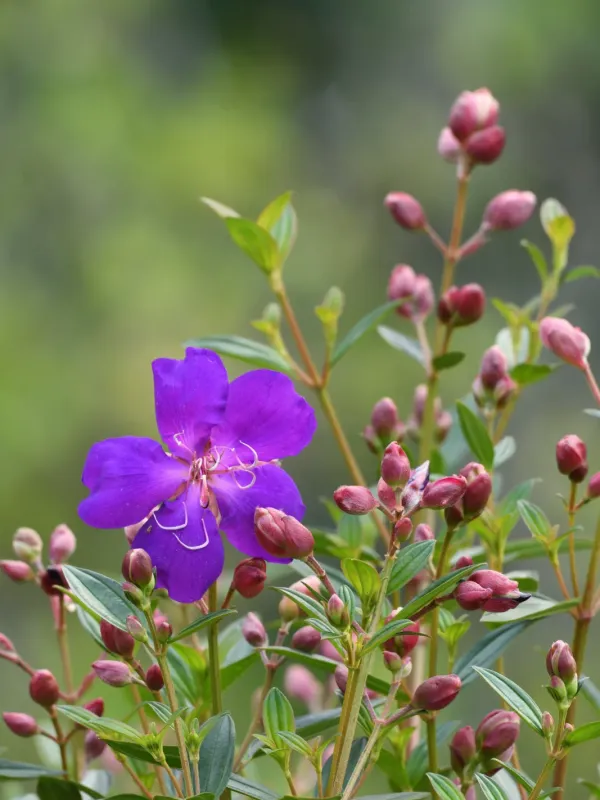
Tibouchina semidecandra, commonly known as the Princess Flower, is an ornamental shrub belonging to the Melastomataceae family. Native to the tropical regions of Brazil, it is highly valued for its intense purple flowers and velvet-textured, deep green foliage.
This species requires a warm, humid climate to thrive and cannot tolerate freezing temperatures. In agricultural settings outside of the tropics, it is typically managed as a greenhouse crop or a container-grown plant that must be moved indoors during colder seasons.
The ideal growing medium is a rich, well-draining soil with a slightly acidic pH. Proper drainage is critical; the plant is sensitive to waterlogged conditions, which can quickly lead to root rot and severe plant stress.
Standard cultural practices involve consistent watering and a regular fertilization schedule during the active growing season. It is recommended to use fertilizers that are free of lime, as the plant is susceptible to iron-induced chlorosis if the soil alkalinity increases.
Pruning is an essential part of the plant's maintenance to encourage a bushier habit and more prolific flowering. Propagation is primarily achieved through stem cuttings, which should be taken in the spring and kept in a warm, humid environment to ensure successful rooting.
Main diseases and pests
Common pests affecting this crop include spider mites, aphids, and mealybugs. These pests are particularly problematic in greenhouse environments where humidity levels might fluctuate or be lower than the plant's requirements, necessitating regular monitoring.
Fungal issues, particularly root rot, pose a significant threat due to poor soil aeration or excessive moisture. Maintaining an appropriate balance between moisture and drainage is the primary defense strategy against these pathogens.