
Centradenia
Centradenia hybrids
Description
Growing requirements
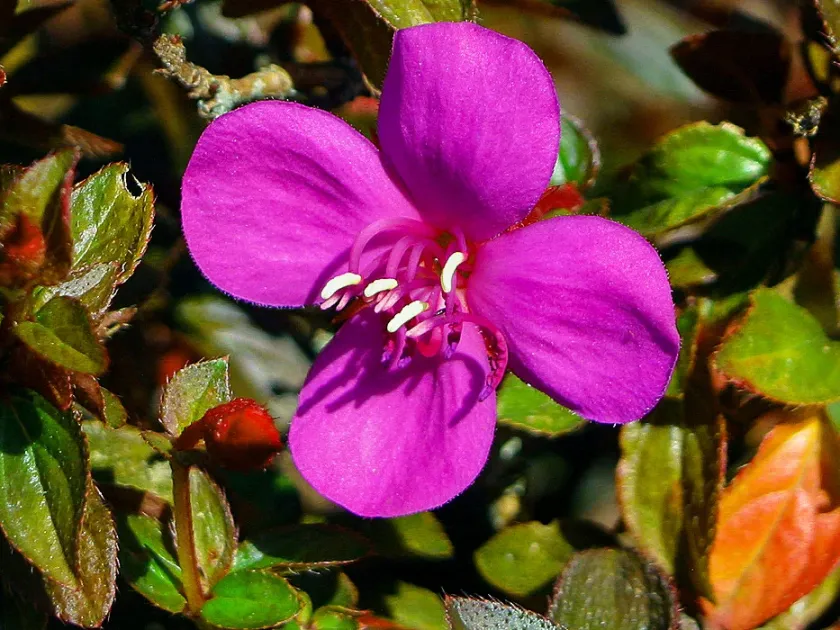
Centradenia is a genus of evergreen shrubs and subshrubs belonging to the Melastomataceae family. These plants are widely recognized for their attractive foliage and delicate, often pink or white flowers, which bloom profusely under favorable growing conditions.
Originating from the tropical regions of Mexico and Central America, Centradenia thrives in environments with high humidity and consistent temperatures. Its natural habitat is typically characterized by shaded or semi-shaded forest understories, which dictates its preference for indirect light.
To ensure healthy growth, the plant requires a well-draining, slightly acidic soil substrate. High-quality potting mixes, rich in organic matter, provide the necessary nutrients for the development of both the foliage and the root system, which is somewhat sensitive to waterlogging.
The climate requirements for Centradenia involve maintaining temperatures between 18°C and 25°C. It is crucial to protect the plant from extreme temperature fluctuations and cold drafts, which can cause significant stress or even defoliation in sensitive hybrid varieties.
In agricultural and ornamental settings, Centradenia is used as an accent plant or as a component in mixed decorative compositions. Due to its sprawling or mounding habit, it is particularly effective in hanging baskets and indoor containers where its aesthetic features can be showcased.
Main diseases and pests
Spider mites are among the primary pests affecting Centradenia, particularly in dry indoor conditions. Regular misting and maintenance of adequate ambient humidity are effective preventive measures against these tiny but potentially destructive arthropods.
Root rot, caused by overwatering or poor drainage, is a significant threat to the plant's vitality. It is essential to ensure that the container has sufficient drainage holes and that the soil is allowed to dry slightly between watering sessions to avoid pathogen buildup.
Powdery mildew may occur if air circulation is insufficient. Managing the spacing between plants and ensuring good ventilation are key strategies to prevent the development of this fungal disease, which can quickly mar the foliage and weaken the plant.
Nutrient deficiencies, specifically a lack of magnesium or iron, may manifest as leaf yellowing, also known as chlorosis. Providing a balanced, water-soluble fertilizer specifically formulated for ornamental flowering plants will help prevent these symptoms.
Regular maintenance, including pinching back the tips of young stems, encourages branching and produces a fuller, more compact growth habit. Pruning also helps remove older, potentially diseased growth, ensuring the plant remains vigorous and aesthetically appealing.